
Making Good Use of Brownfield Land Around the UK for Housing
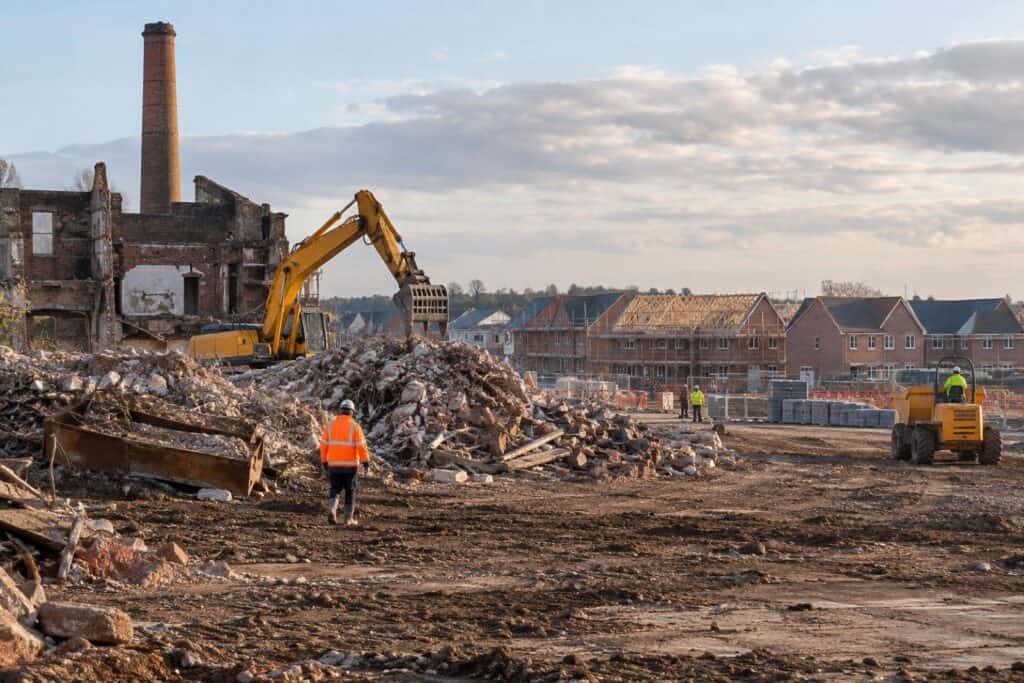
Brownfield land makes a strong option for new housing. Reusing previously developed land for new homes helps to prevent sprawl over open countryside and fields. It usually requires more initial work than a greenfield site but can bring new life to neglected areas and provide housing near existing roads, shops and services.
What counts as brownfield land
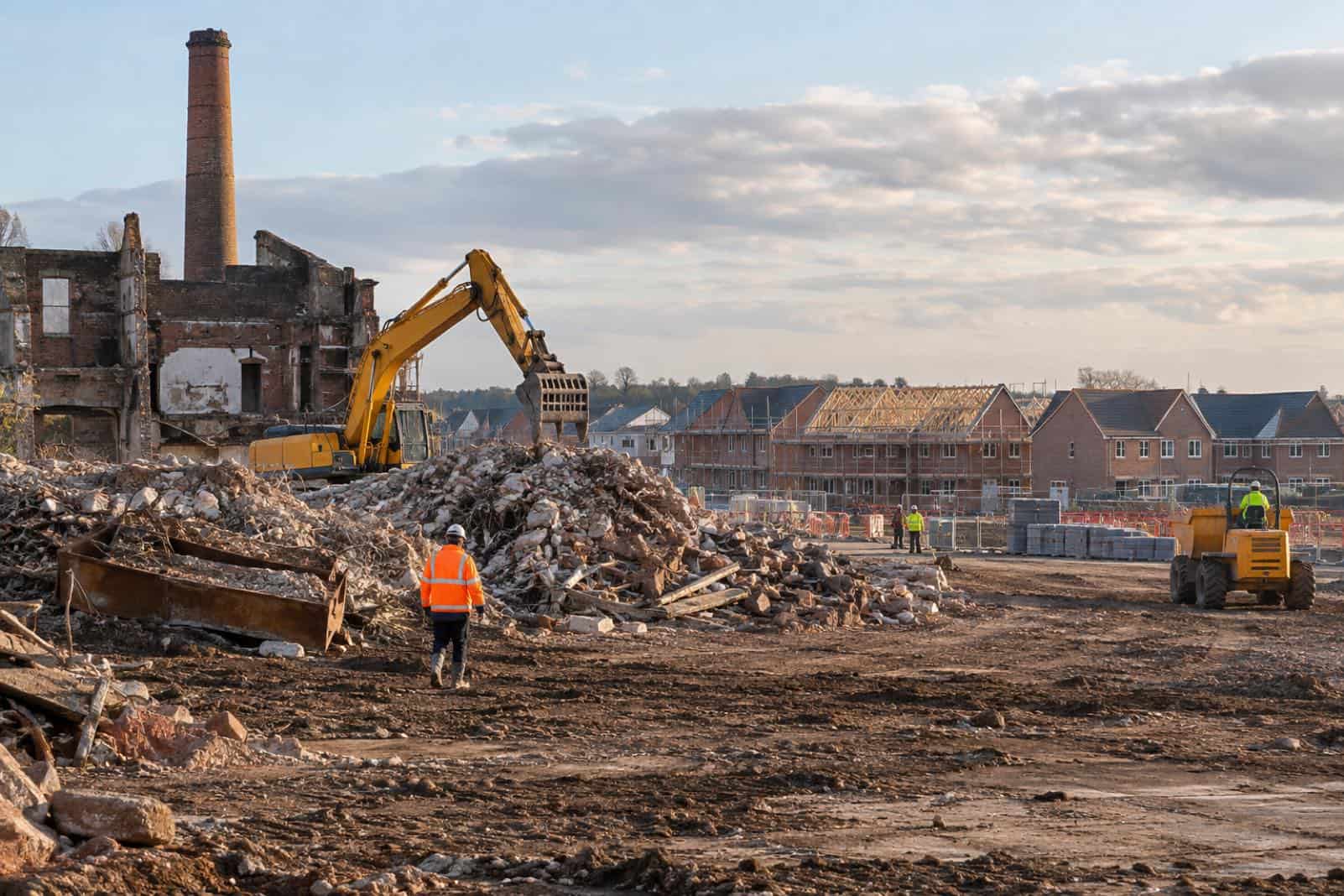
In planning terms previously developed land, brownfield land, is broadly land which is or was occupied by a permanent building or structure. It can include old factories, warehouses, depots, petrol stations, railway land, and so on. It excludes agricultural land and buildings, and sites such as parks and gardens in urban areas.
In England, councils must keep a public brownfield land register listing sites in their area that are suitable for housing, and review it at least once a year. These registers are a useful starting point for anyone looking at potential sites.
Preparing brownfield land for housing
Preparing a brownfield site usually involves demolishing any buildings that are no longer used, and making sure that the ground itself is safe to build on.
Land previously used for industry, such as a former factory, gasworks or petrol station, may be contaminated with substances such as oils, fuels, heavy metals or asbestos. A site investigation identifies what is in the ground, and any contamination has to be dealt with by a professional like this soil remediation company soilfix.co.uk/services/soil-remediation/ to ensure that it is made safe to both build on and live on.
In addition to these problems, there are also old foundations and underground services, unstable made ground and even in some areas, abandoned mine workings. Planning permission for new housing on brownfield sites often includes conditions that require these issues to be investigated and dealt with prior to commencement of construction.
Where brownfield sites are found
There are brownfield sites all over the UK. Many of the old industrial towns and cities in the North of England and the Midlands have large amounts of previously developed land left over from when industries shut down or moved. Brownfield land also plays a big part in major cities such as London and Birmingham, where space is limited and demand for housing is high.
Benefits and challenges
| Benefits | Challenges |
|---|---|
| Protects countryside and green space | Remediation and demolition can be costly |
| Uses existing roads, transport and services | Ground conditions can be unknown until investigated |
| Regenerates run-down areas | Sites may be small or awkward shapes |
| Can bring homes closer to jobs | Neighbouring uses may still be industrial |
Frequently asked questions
Is it safe to live on a former brownfield site?
Once a suitable site has been identified and any contamination investigated and cleared where necessary, homes built on brownfield land should be safe. The site investigation and the remediation work are subject to the same controls as the rest of the planning process and building regulations. A buyer can ask to see a copy of the site investigation report and any subsequent remediation reports, and solicitors’ searches will usually cover contaminated land.
Why isn’t all new housing built on brownfield land?
However, there is often a shortage of suitable brownfield land for development in locations where there is a need for housing, and not all land is cost effective to remediate. Some sites may be small or have complicated shapes, making them unsuitable for housing. Brownfield sites are preferred for development of housing and are encouraged first through Government policy. However, many areas also require development of greenfield sites to meet local housing demand.
Where to go next
Building homes relies on skilled people. Read about the highest paid construction jobs in the UK.
