

These Are the Top Skills That Journalists Need to Have
From writing for a local newspaper to travelling the country to cover national politics, sport or the arts, journalism can take you anywhere. Of course, it’s competitive, but if you have the right skills then it can be a rewarding career. Here are the key skills that journalists need, and how to acquire them.
Communication
Journalists need to communicate well in many ways. Journalism courses such as those at https://schoolofjournalism.co.uk will help you hone your abilities, but most people drawn to the job already show promise here.
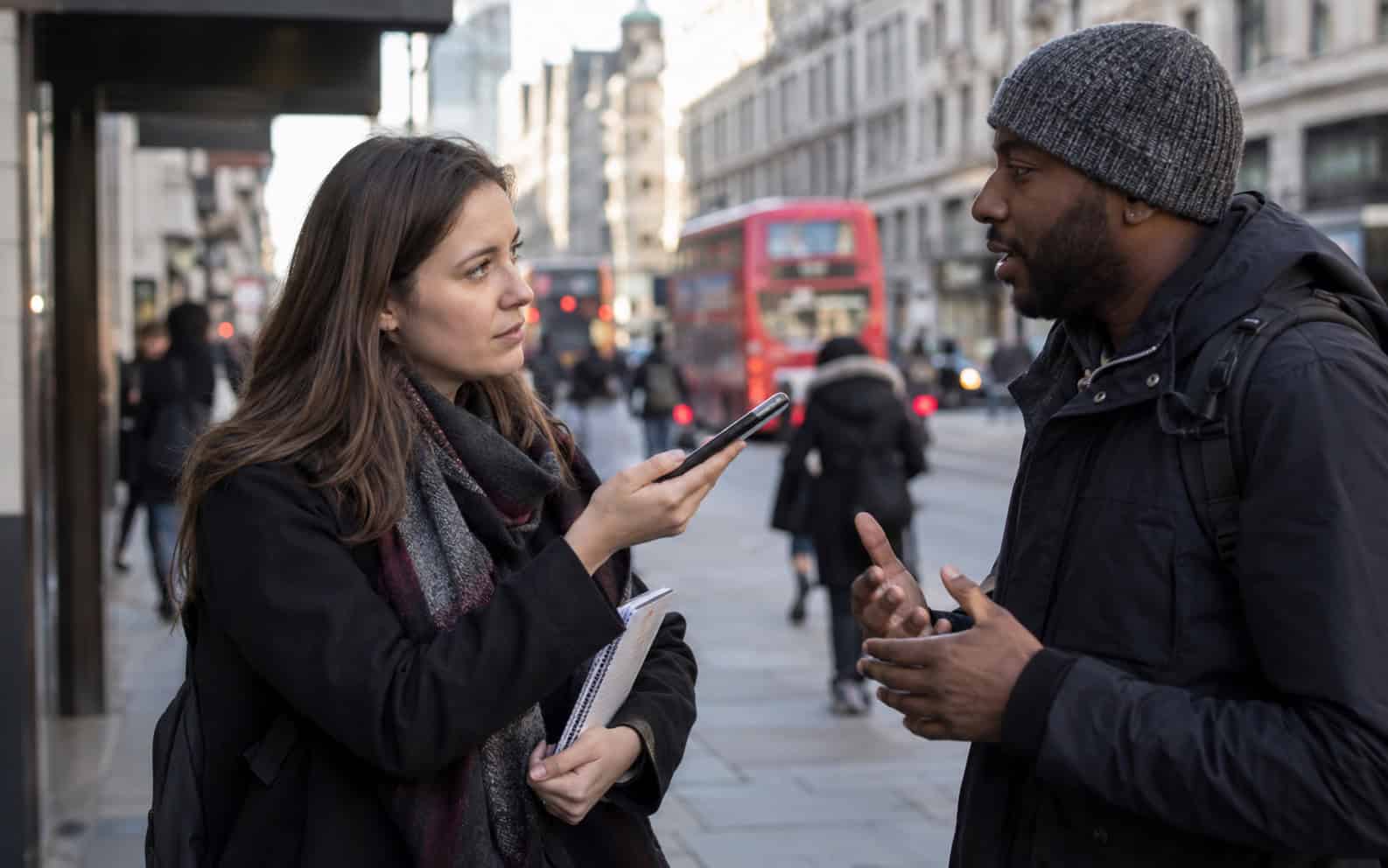
Interviewing people well and getting them to open up is a skill in itself. Depending on the platform, journalism could be delivered on television, radio or even a podcast. Presenting information on these platforms would also be a key skill for a journalist. When writing for print or online, it is essential that as a journalist you possess strong writing skills and are able to ensure that all written work is accurate in terms of spelling and grammar. Also important is to communicate information clearly and make it interesting to readers.
Research and verification
Journalists need to understand a story thoroughly, including its background, context and different points of view. Good research skills will include attention to detail, patience and persistence as well as the organisational abilities to keep track of all your information and the critical thinking skills needed to properly evaluate your sources.
Verification is part of research. This means checking a claim against more than one source, going back to the original documents and being suspicious of information that is spread rapidly online, all of which protect a journalist’s credibility.
Digital skills
Many journalists now work across a variety of platforms and therefore need to have a range of skills including general computer skills and knowledge of content management systems, audio and video editing packages, data visualisation software and transcription software. Additionally, they must have a good understanding of social media platforms including how long a post should be, what format it should take and what types of images are acceptable.
Law and ethics
Media law, including defamation, contempt of court, privacy and copyright, and ethics are a core part of journalism training, because mistakes are expensive and can damage a journalist and their publication’s credibility with their audience.
Shorthand and working to deadlines
Many UK newsrooms still value shorthand, particularly for court and council reporting, because often in these areas recording is not permitted. In addition to this, journalists must work speedily and accurately under pressure to meet tight deadlines.
Key skills at a glance
| Skill | Why it matters |
|---|---|
| Interviewing | Gets people talking and finds the story |
| Writing | Makes complex information clear |
| Research and verification | Protects accuracy and trust |
| Digital skills | Reaches audiences on every platform |
| Media law | Avoids legal risk |
| Shorthand | Accurate notes where recording is not possible |
Frequently asked questions
Do I need a degree to become a journalist?
Not always. Many journalists have a degree, but there are also apprenticeships available as well as industry-accredited qualifications. A good portfolio of published work and some relevant experience is also key.
How can I get journalism experience?
Write for student or community publications, start a blog or podcast, pitch stories to local outlets and look for work experience. Building a portfolio of published work shows editors what you can do.
Where to go next
Want to try audio? Read our podcasting tips for journalists.
