
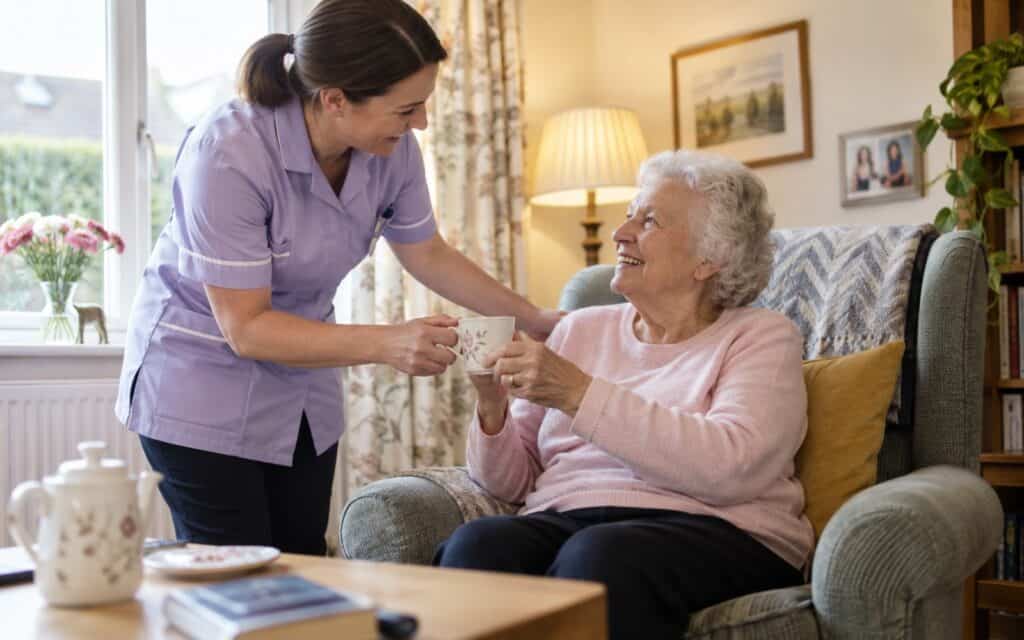
Why Wonderful Welsh People Are Providing Compassion And Care.
Wales is a country with a population of around 3.2 million people and covers an area of approximately 8,000 square miles between the Irish Sea and the English border. From the cities and towns, to the valleys and countryside of Wales, there are many people caring for children who cannot live with their birth families. These foster carers provide a safe, stable and caring environment when it is needed most.
What foster carers do
Foster carers look after children and young people in their own homes. This can be for a few days, a few months or even many years, depending on each child’s needs. Foster carers provide the daily care, routine and support of the child. This can include things like getting the child ready for school, supporting the child with their health needs and attending appointments with them. It also involves working with social workers and other professionals to support the child. The children in care have often experienced loss, neglect or trauma, so they need a lot of patience and understanding.
Foster Care Wales arranged through an experienced, professional, trusted organisation such as https://saferfostering.org.uk/foster-care-wales/, focuses on finding the right family for each child and offering support and guidance along the way.
How foster carers are assessed
Becoming a foster carer involves a thorough assessment. Foster carers are carefully vetted, with background checks, references, medical checks and home visits, followed by preparation training. The final decision is made after a fostering panel reviews the assessment. The process is designed to make sure children are safe and that carers are well prepared.
The support foster carers receive
Foster carers are not expected to care for children on their own. Foster carers are usually supervised by a dedicated social worker, receive ongoing training, have support groups with other carers and can contact agencies for support out of hours. Foster carers also receive a fostering allowance which is used to fund the care of children placed with them.
Types of fostering
| Type | What it involves |
|---|---|
| Short-term | Caring for a child while longer-term plans are made |
| Long-term | Providing a stable home until adulthood |
| Respite or short breaks | Regular short stays to support families or other carers |
| Emergency | Taking a child at short notice, often overnight |
| Parent and child | Supporting a young parent and their baby |
What makes a good foster carer
- Patience, warmth and a stable home life.
- The ability to set clear, kind boundaries.
- Willingness to work with social workers, schools and birth families.
- Resilience and a sense of humour.
- A spare bedroom for a foster child.
Frequently asked questions
Can I foster if I rent my home or live alone?
Often, yes. Foster carers come from all walks of life. They can usually be single people, couples with or without children, owners or renters of homes. The main thing is that they can provide a safe, stable and loving home for children.
How long does it take to become a foster carer?
The assessment process usually takes several months during which time the prospective foster parents will be required to undertake a number of checks, complete training and have home visits prior to being considered for approval by a fostering panel. Your fostering service will explain each step and support you through it.
Where to go next
Looking for ideas for time together as a family? Read our list of fun family activities to do this summer.
Across Wales, children cared for by foster carers can be given the chance to thrive by receiving emotional support, encouragement and positive role models while developing confidence and resilience.
