

5 reasons that university still matters
Despite all the debate about tuition fees and student debt, university still matters for many people. It is not the right route for everyone, and apprenticeships and other paths are good options too. But for a lot of students, a degree still brings real advantages. Here are five of them, along with some honest points to weigh up.
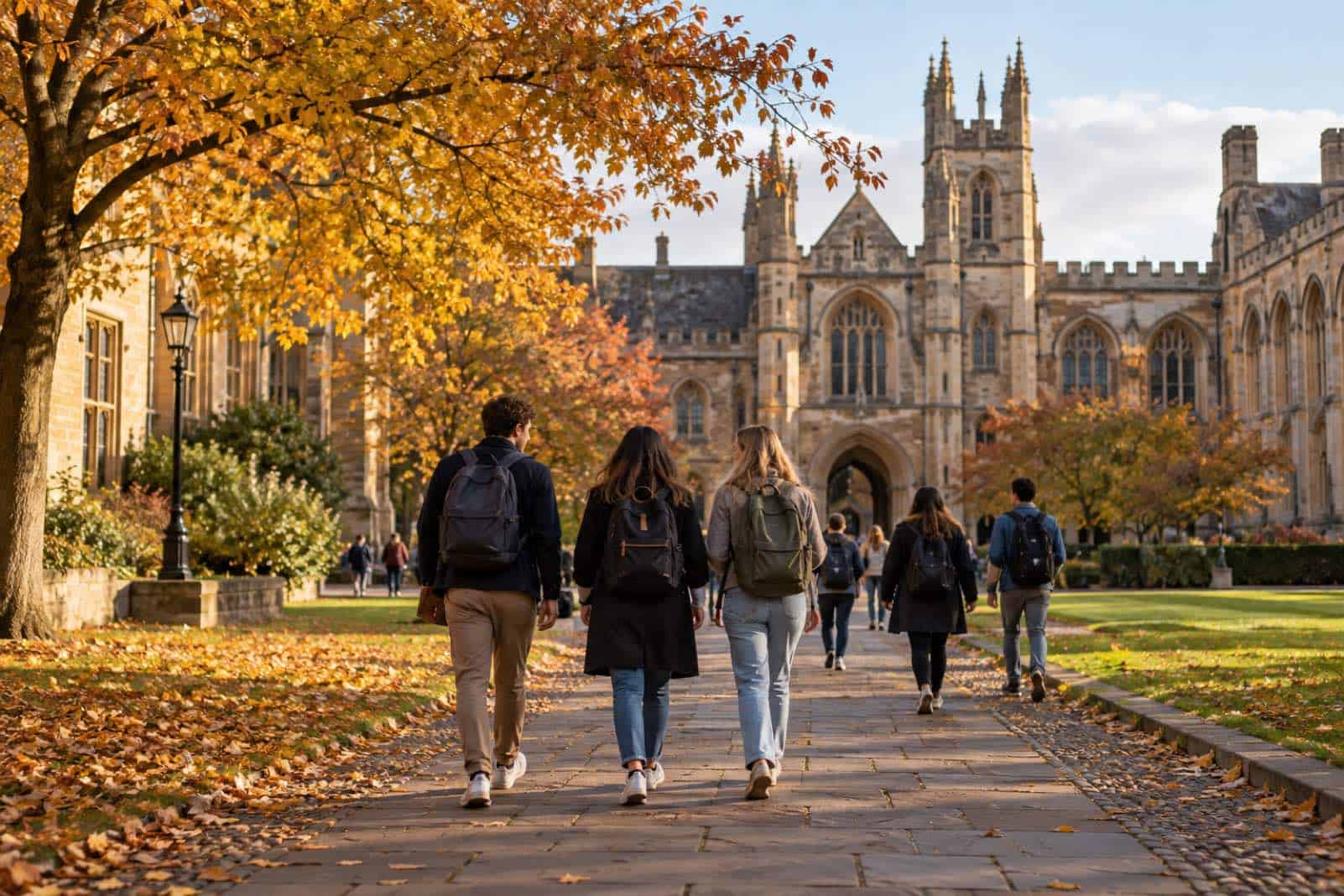
1. It still opens doors
Many careers, such as medicine, dentistry, teaching, architecture and many engineering and science roles, normally require a degree or an equivalent qualification. In other competitive industries, a degree can make it easier to get a foot in the door. Even where a degree is not essential, employers often see it as evidence that you can work independently, meet deadlines and stick with something for several years.
2. It helps you develop useful skills
Writing essays, giving presentations and managing deadlines all build skills that employers value. You also learn how to research, weigh up evidence and think critically, which are useful in almost any job. Studying at a top research university means learning from many of the brightest people.
Many courses now include placements, projects with real employers or a year in industry, which add work experience to the academic skills.
3. It is a chance to grow as a person
For many people, university is the first time living away from home. You learn how to manage money, cook, organise your time and deal with problems on your own. Those life skills can matter just as much as what you study in lectures, whatever your subject.
For some careers, a vocational qualification alongside or instead of a degree is what employers look for. NCTJ qualifications are invaluable for a career in journalism, and you can view more information online here: https://newsassociates.co.uk/what-is-the-nctj/.
4. It introduces you to new people and ideas
Universities bring together students from different backgrounds and parts of the world. That can broaden your outlook and help you build friendships and professional networks that last for years. Clubs, societies, volunteering and student media also give you the chance to try new things and build experience outside your course.
5. Graduates tend to earn more
Higher earnings are not guaranteed, but on average graduates do earn more. Government graduate labour market statistics for England found that in 2024 the median salary for working-age graduates was £42,000, compared with £30,500 for non-graduates. Graduates were also more likely to be in work. The figures do not account for other differences between the groups, so they show an average, not what any one person will earn, and results vary a lot by subject and university.
Things to weigh up before you apply
| Question | Why it matters |
|---|---|
| Does my chosen career require a degree? | Some do, many do not, and apprenticeships exist in more fields than ever |
| What do graduates of this course go on to do? | Outcomes vary widely by subject and university |
| How will I fund it? | Understand loans, repayment and living costs before you commit |
| Would I enjoy three or more years of study in this subject? | Interest makes the work far easier to stick with |
Frequently asked questions
Is university worth it if I do not know what career I want?
It can be, as long as you choose a subject you enjoy and use the time to find out what interests you through placements, societies and part-time work. A general degree in a subject you are good at keeps many doors open. If you are unsure about the cost, taking a year to work first is also a sensible option.
Are degree apprenticeships a good alternative?
For many people, yes. They combine paid work with study towards a degree, with tuition costs usually covered by the employer. They suit people who know which field they want to work in, but places are competitive, and you have less choice of subject and location than with a traditional degree.
Where to go next
If you are heading to university soon, our tips on how to get the most from a university lecture will help you start well.
What students say draws them to university
When students are asked why they go to university, most say it is to follow a chosen career, such as law, medicine or engineering. For anyone with a profession in mind, a course can offer practical experience and real world placements, so what is learned in lectures is applied in work settings, and that looks strong on a CV.
Social life is another big draw. Beyond lectures and seminars there are clubs, societies and events, and many students leave with a wide circle of friends for life. Moving straight from home to somewhere completely new appeals too, whether that is a busy city or a quieter campus in the countryside, so it is worth researching the area and the accommodation carefully.
Then there is the subject itself. Students often find that what they knew before was only the beginning, and three years of study takes them into far more depth than school ever did.
