
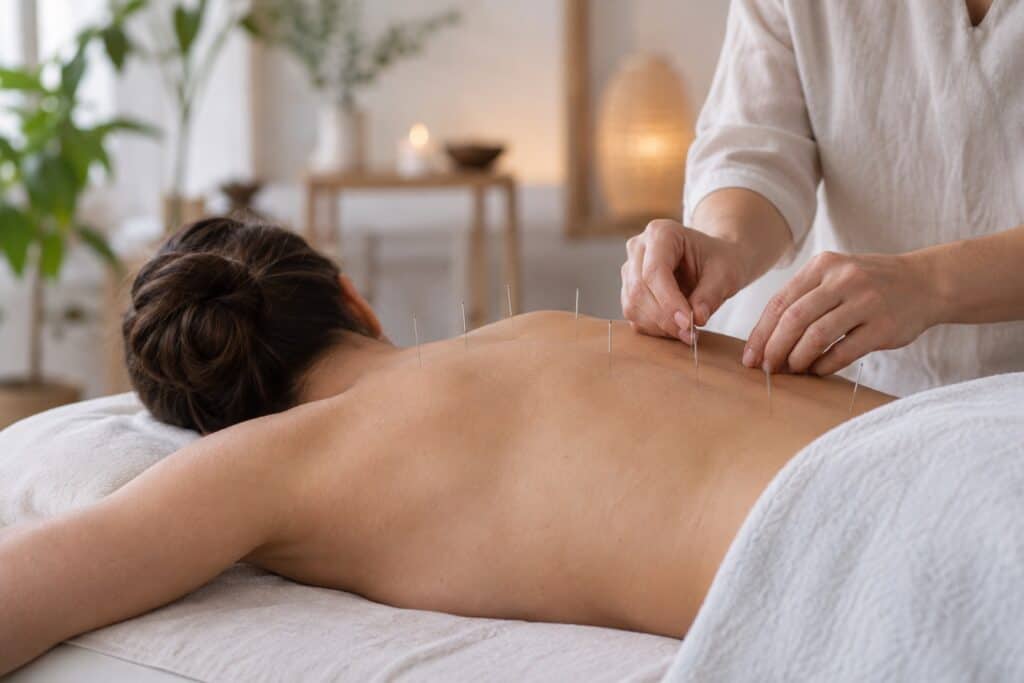
Acupuncture and Holistic Wellness: Maintaining Stability and Health
Being your best is more than just putting a plaster on – it means caring for the whole you. That’s where acupuncture shines. Acupuncture is an ancient tradition in which it treats the person as a whole – both mind and body – and seeks to bring harmony back to one’s overall well-being.

What the NHS says about acupuncture
The NHS guidance on acupuncture sets out what it is used for and what the evidence does and does not support. Sessions are designed to meet you where you need help, provide stress and pain relief or enhance your general well-being. Acupuncture gently stimulates certain points in your body to improve natural healing abilities, and it can help energy (qi) flow smoothly through the system. For Acupuncture Cheltenham, visit www.purelandsacu.co.uk
Taking a whole-person approach often means benefits that extend well beyond the treatment room. Practicing this regularly leads many to report better sleep and mood, and feeling calmer. They report having more energy and mental acuity, getting sick less often. Acupuncture is able to affect these root causes rather than only the symptoms, and therefore can help you in achieving long-term wellness.
Acupuncture and holistic wellness
Holistic wellness means understanding that physical, mental and emotional health are all (and must be) interconnected. Acupuncture helps with this by balancing, relaxing and aligning the elements inside of you. Even if you are a seasoned acupuncture veteran or want to amplify your wellness experience, this modality can work wonders in healing the only body that we have and the mind behind it.
Now are you ready to experience the full body benefits of acupuncture? Start on your path to more balance and wellbeing today.
Summary
The article describes acupuncture as a traditional therapy that treats mind and body together as part of a holistic approach to wellbeing. It points readers to NHS guidance on what acupuncture is used for and what the evidence does and does not support, and notes that some people who have regular sessions report better sleep, mood and energy.
Questions this article raises
- Which conditions does the NHS say acupuncture may help with?
- How can you check that an acupuncturist is properly qualified?
- How many sessions do people usually try before deciding whether it helps?
