
A Beginner’s Guide to Sheet Metal Fabrication
The process of sheet metal fabrication involves forming a flat piece of metal into a useable product. Products such as gutters, ducting, electrical enclosures, brackets, kitchen equipment and even vehicle parts are all examples of products that have been made by sheet metal fabrication. Because sheet metal is available in consistent thicknesses and in a large variety of metals, it is suitable for both high volume production and one-off items.
A brief history
Working metal into sheets and shapes is an ancient craft. One early idea for a rolling mill is often credited to Leonardo da Vinci. He sketched a design for a machine to roll the lead for stain glass windows, but it is not known whether the machine was ever made. Industrial rolling mills later made flat sheet metal cheap and widely available, paving the way for modern fabrication.
How the process works
The job starts with a design, usually a CAD drawing, and flat sheets from a supplier. Fabricators plan how the part will be cut and formed, and for special projects they often suggest changes that make the part easier and cheaper to produce, like the examples seen at https://dkmsheetmetal.co.uk/.
The main stages are:
- Cutting: sheets are cut to shape, often with laser cutters, punching machines, plasma or shears.
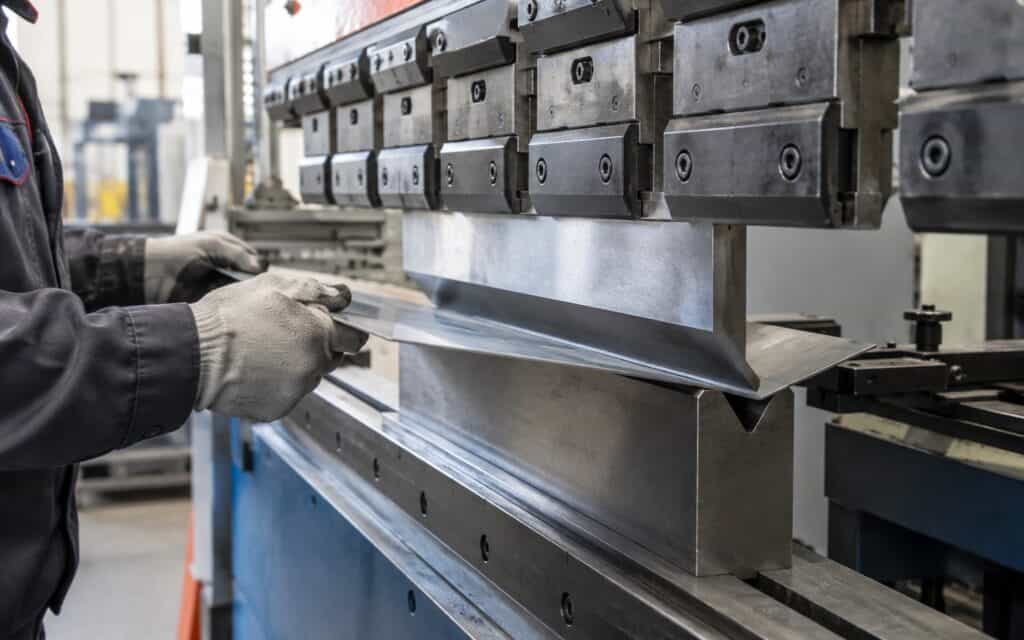
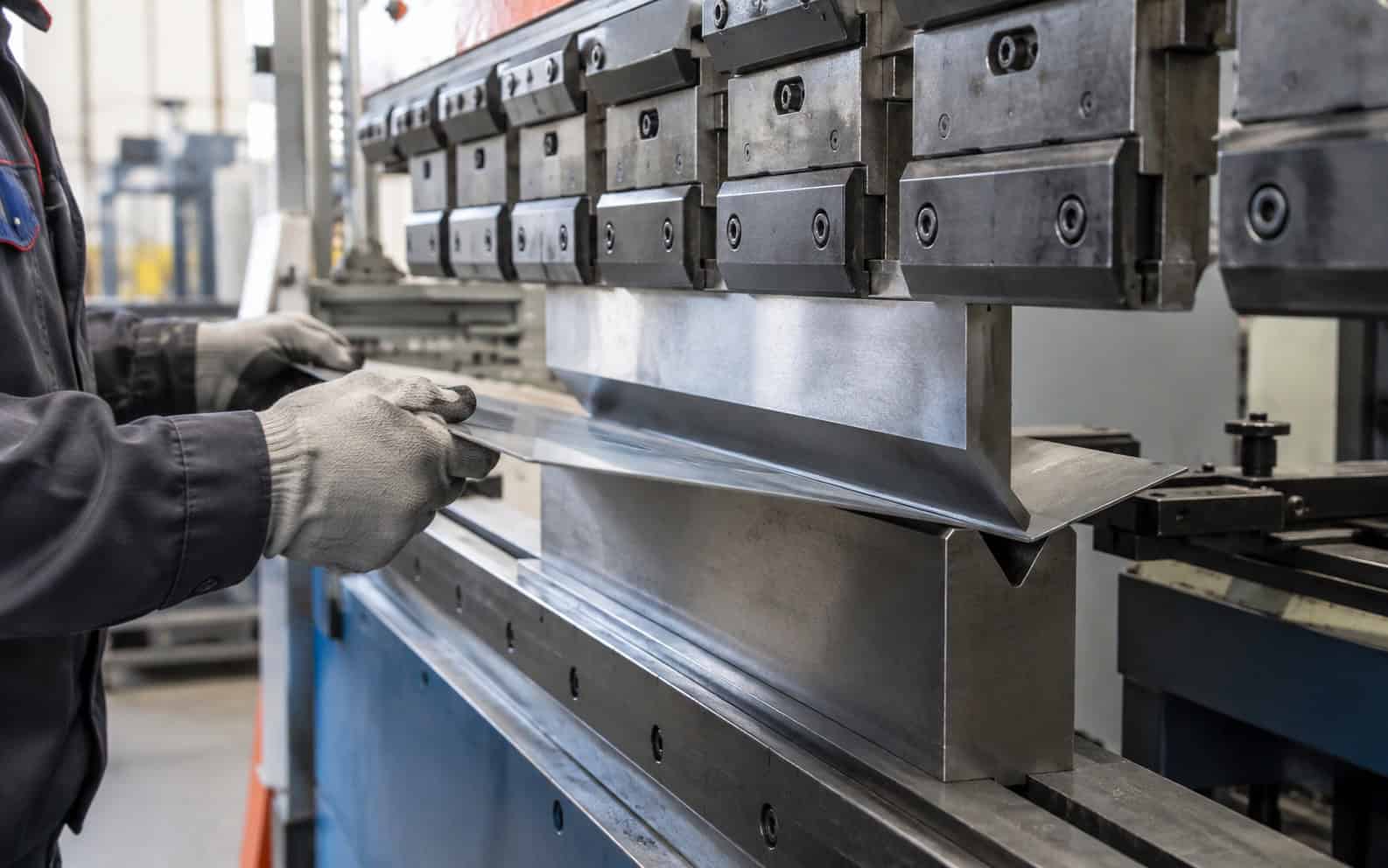
- Bending and forming: press brakes fold the metal to precise angles, and other machines roll or form curves.
- Joining: parts are welded, riveted, clinched or fastened together.
- Finishing: edges are deburred, and surfaces may be polished, painted, powder coated or plated.
Choosing the right metal
The metal choice will affect strength, weight, corrosion resistance, appearance and cost. Steel alone has over 3,500 grades (according to the World Steel Association). An experienced fabricator will help you choose the right grade of metal for your needs.
| Metal | Strengths | Common uses |
|---|---|---|
| Mild steel | Strong, affordable, easy to weld | Brackets, frames, enclosures |
| Stainless steel | Corrosion resistant, hygienic | Kitchens, food and medical equipment |
| Aluminium | Light, corrosion resistant | Vehicle parts, housings, signage |
| Galvanised steel | Zinc-coated for rust protection | Ducting, outdoor parts |
| Copper and brass | Conductive, decorative | Electrical parts, architectural features |
Design tips for sheet metal parts
- Keep the material thickness consistent across a part.
- Allow for the minimum bend radius of the chosen metal and thickness.
- Keep holes a sensible distance from bends so they do not distort.
- Use standard hole sizes and bend angles where possible to reduce tooling costs.
- Talk to your fabricator early, as small design changes can cut costs significantly.
Frequently asked questions
What thickness counts as sheet metal?
While there is no set rule, sheet metal generally refers to metal that is less than a few millimetres in thickness. Material above this thickness is usually referred to as plate. The fabricator can advise on the right thickness to use to provide the required strength, weight and cost for your needs.
Is sheet metal fabrication suitable for one-off parts?
Yes. Modern laser cutting and CNC press brakes make it economical to produce single prototypes and small batches as well as large runs, because there is little dedicated tooling to pay for.
Where to go next
Fabrication depends on skilled people. Read about the skills machine operators need.
