
An introduction to surface treatments
Surface treatments, or surface finishing, are a critical factor in ensuring the durability, appearance and functional performance of materials and products used in almost every industry. Be it a bridge made of steel, a phone case made of aluminium or kitchen table tops made of oak, treating surfaces properly can add years of useful life to materials and products.
What surface treatments do
At their core, surface treatments apply a process or coating to change the properties of the material surface. This can improve the material’s resistance to corrosion, wear and weathering, create a harder or smoother surface, provide electrical insulation or improve aesthetic appeal. The substrate beneath the surface can remain unchanged and still retain its strength and shape whilst the surface receives the additional protection or function it requires.
Surface treatments are used to improve the surface of materials in construction, manufacturing, engineering, interior design and home improvement. In the UK, where there is an increasing focus on durability and sustainability, surface treatments can be used to protect and improve a variety of materials including metals, wood, concrete and stone.
Common types of surface treatment
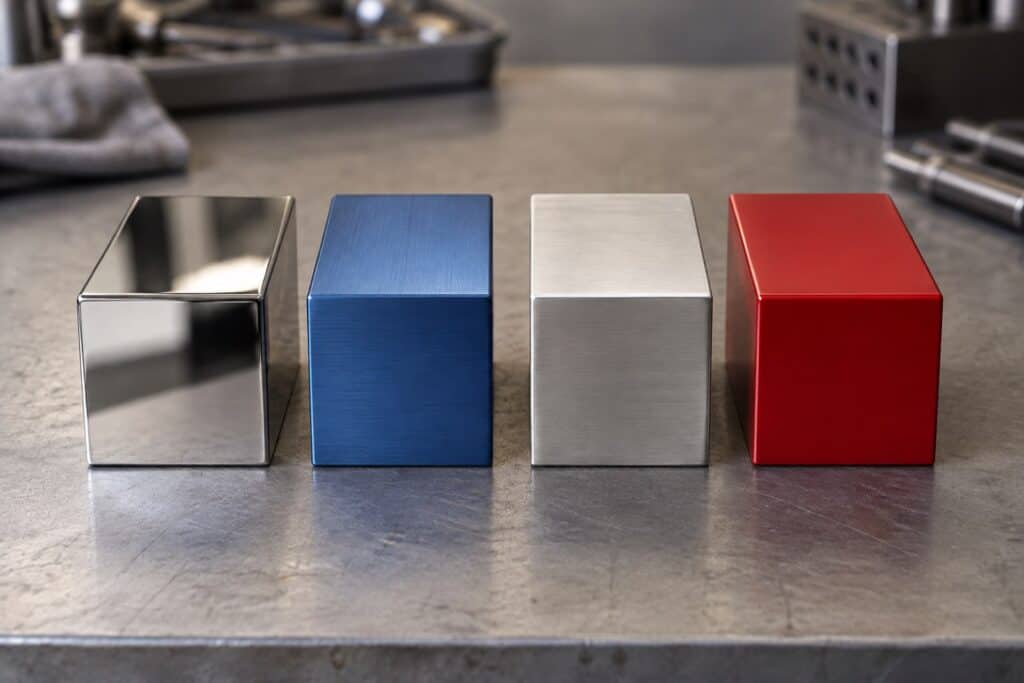
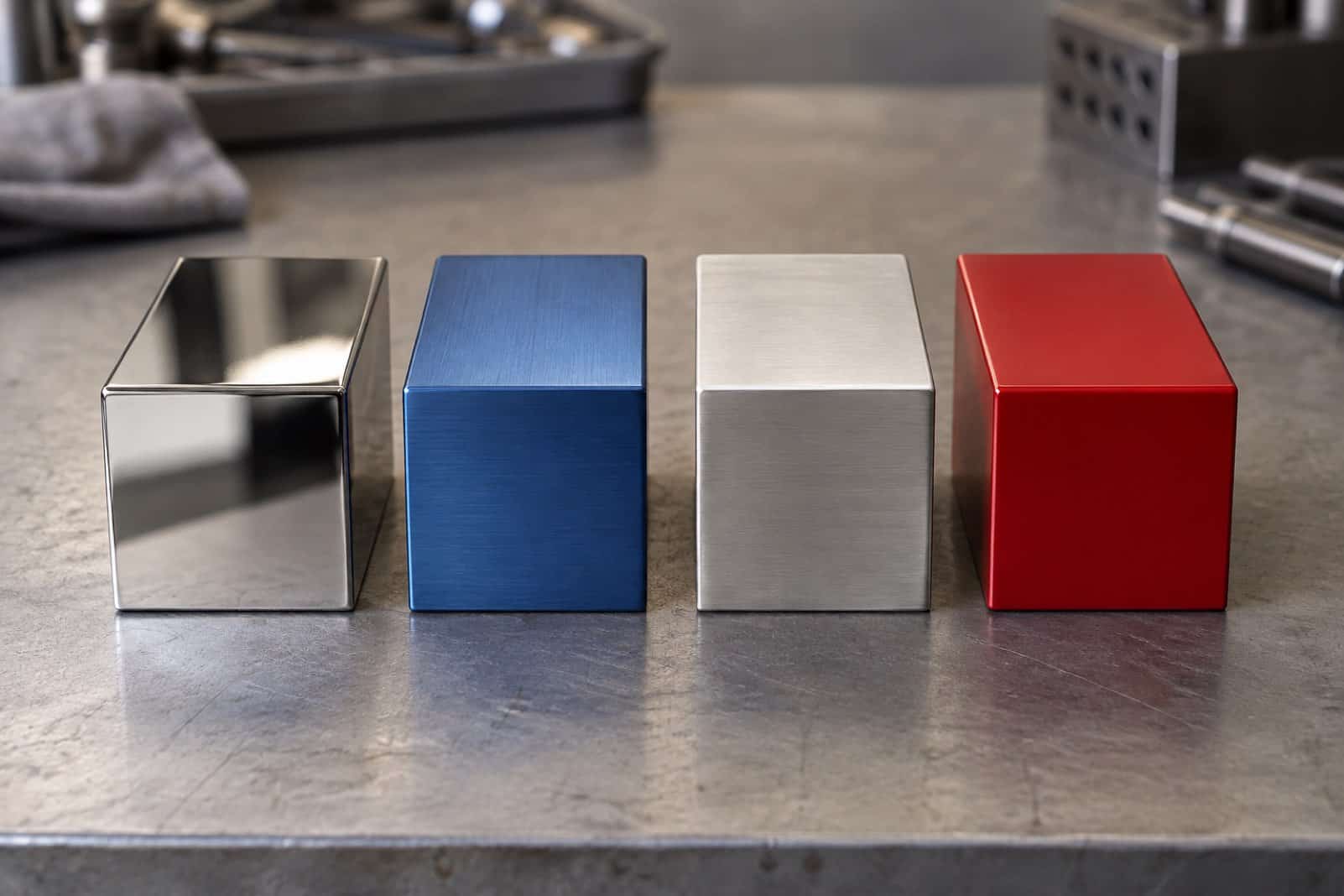
Common examples include painting, powder coating, galvanising, anodising, plating and polishing. Each surface treatment method has its own particular advantages for different materials in different situations.
| Treatment | Used on | Main benefit |
|---|---|---|
| Galvanising | Steel | Zinc coating that protects against rust outdoors |
| Anodising | Aluminium, titanium | Hard, corrosion-resistant oxide layer, can be coloured |
| Plating | Steel, copper alloys and more | Metal layer for corrosion, wear or appearance |
| Powder coating | Metals | Tough, even coloured finish |
| Varnishing and oiling | Wood | Protection from moisture while showing the grain |
| Sealing | Concrete and stone | Resists staining and water |
Protection with style
Metal treatments such as galvanising and anodising protect against corrosion and extend the life of a part, which is crucial for outdoor structures and machinery. Wood treatments, including varnishes and oils, can protect against moisture while still retaining the natural look and feel of the timber. Architectural and interior finishes such as lacquers provide both protection and style.
Invaluable surface treatments can be carried out by professionals such as https://www.poeton.co.uk/surface-treatments/. The industry is sizeable and growing. According to the market research firm Future Market Insights, The total market valuation of surface treatments is set to grow by $11,368 million by the end of 2035. Forecasts like this vary between research firms, so treat them as a general indication of growth.
How to choose the right treatment
- What is the base material, and what does it need protecting from?
- Will the item be used indoors, outdoors, near the sea or in contact with chemicals?
- Does it need to resist wear, reduce friction or simply look good?
- Will the coating change the size of the part enough to affect how it fits?
- Are there environmental or customer standards the finish must meet?
Going greener with treatments
Surface treatment is increasingly environmentally-friendly. This applies not only to paints and coatings that are based on water as opposed to solvents, or that are applied in powder form with little or no solvent, but also to alternatives to toxic materials and substances that are detrimental to health and the environment. The longer a part remains intact, the greater the sustainability benefit: fewer replacements, less waste, and less energy required to manufacture new items.
Frequently asked questions
Is galvanising the same as zinc plating?
While both processes use zinc to protect steel, there are differences between them. Hot-dip galvanising involves dipping steel into molten zinc to form a thick, hard coating ideal for outdoor structures. Zinc electroplating, on the other hand, produces a thin, smooth layer of zinc, ideal for small components such as fasteners which require close fitting and aesthetic appeal.
Can a surface treatment be removed and redone?
Often, yes. Many coatings such as paint, powder coatings and some platings can be stripped and re-applied as required. This is especially true of expensive parts or for restoring old items. It must be done with care, however, to avoid damage to the underlying material.
Where to go next
For answers to some specific questions, read our three metal surface treatment FAQs.
In production, renovation and design alike, surface treatments are crucial for products to function and look good in the long term.
