
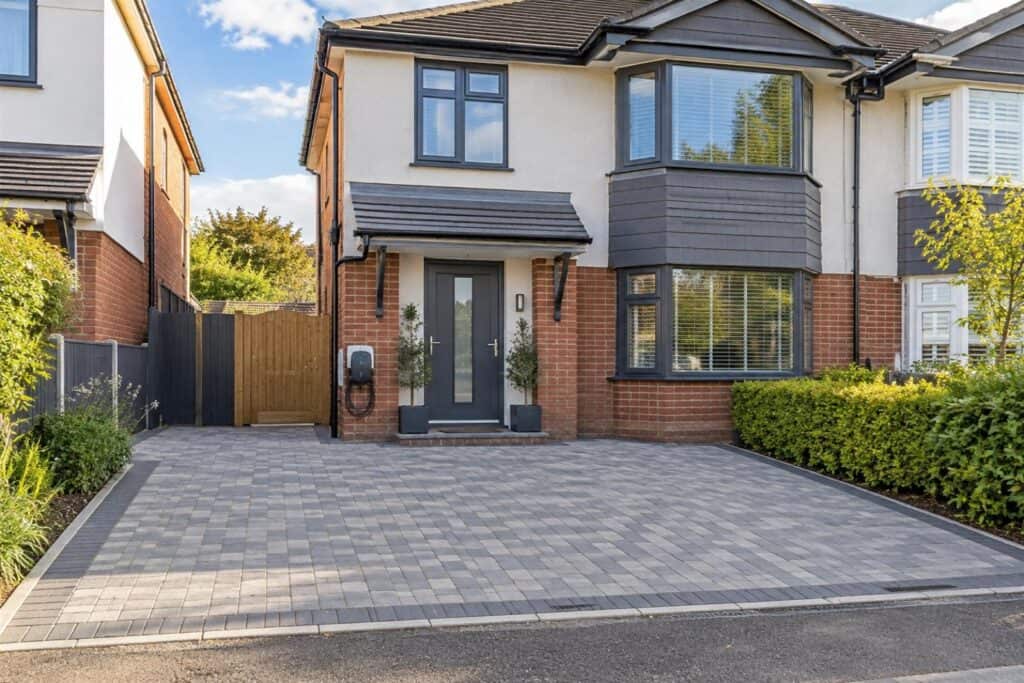
Creating a Driveway that is Stylish and Practical
A driveway is more and more sought after. On-street parking can be difficult, and with the rise of electric cars, a driveway also means you can charge your car right outside your house. Keeping the car off the street can also make it more secure, and some insurers take where you park overnight into account when working out a premium.
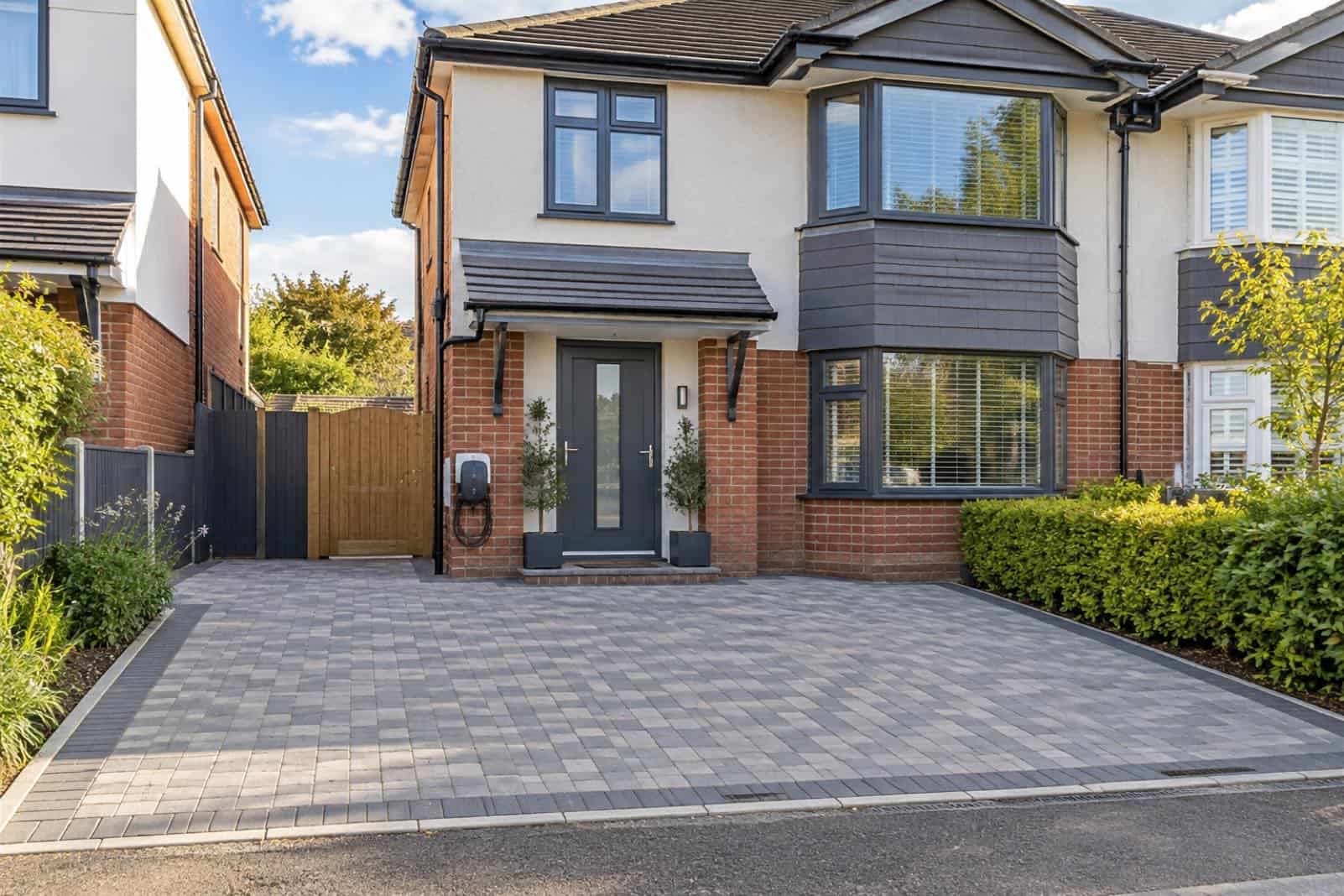
A well-planned driveway can also improve the look of your home and add to its value. It sits right at the front of the house, so it plays a big part in the first impression your home makes.
Choosing the right material
The first thing to think about is the material. There are plenty of options, each with its own look, cost and maintenance needs. Concrete is something that remains a popular choice – you can get it from local companies like this concrete Stroud based company https://www.monstermixconcrete.co.uk/concrete-stroud/ and it is durable and easy to maintain. Other popular options include gravel and block paving.
| Material | Look | Maintenance | Drainage |
|---|---|---|---|
| Concrete | Clean and plain, can be patterned or coloured | Low | Needs a drain or soakaway unless a porous mix is used |
| Block paving | Traditional, many colours and patterns | Occasional weeding and re-sanding | Permeable paving is available |
| Gravel | Informal, suits period and rural homes | Raking and topping up | Naturally permeable |
| Resin-bound | Smooth, modern finish | Low | Usually permeable |
Planning rules and drainage
In England, new hard surfacing of more than five square metres in a front garden counts as permitted development only if it is permeable, or if rainwater runs off into a lawn or border on your own property. Otherwise you need planning permission. The rule exists because large areas of solid paving send rainwater straight into drains and add to local flooding.
That makes drainage part of the design, not an afterthought. Permeable block paving, gravel and porous resin let water soak through. With a solid concrete drive, a slight fall towards a soakaway, a channel drain or a planted border usually keeps you within the rules. Check with your local council if you are unsure, especially if your home is listed or in a conservation area.
Access and the dropped kerb
As well as appearance, the drive has to work day to day. Make sure there is enough room to park, open car doors and walk past the car. If you don’t already have a dropped kerb you need to apply to the council to grant permission to put it outside your house so that you can access the drive.
Driving over the pavement without a dropped kerb can damage it and is not allowed, so do this early. Councils usually check visibility, nearby trees, street furniture and whether the space is deep enough for a car, and many insist the kerb is lowered by an approved contractor.
Designing for electric car charging
If you have an electric car, or might in future, plan the charging point with the drive. Decide where the car will sit, where the charger will go on the wall and how the cable will run from your consumer unit. Laying a duct under the new surface before it goes down is much cheaper than digging it up later. A qualified installer can advise on the right position and whether your electrics need any changes.
A driveway planning checklist
- Measure how many cars you need to park, with room to open doors.
- Choose a material that suits the house and your appetite for maintenance.
- Plan drainage so rainwater stays on your property.
- Apply for a dropped kerb before work starts.
- Think about lighting, edging and planting to soften the space.
- Lay ducting for an EV charger and outdoor lights while the ground is open.
Frequently asked questions
Do I need planning permission for a new driveway?
Often not, as long as the surface is permeable or drains onto your own garden and the area is not in a listed or otherwise restricted property. Over five square metres of non-permeable surface in a front garden that drains onto the road does need permission. A dropped kerb is a separate application to the council.
How long does a new driveway take to install?
Most domestic driveways take from a few days to a couple of weeks, depending on size, the material and how much digging out is needed. Concrete needs time to cure before it can be driven on, so ask your installer how long to keep cars off it.
Where to go next
For more ways to improve the front of your home, see our tips on having the best house front on your street.
Practical details to settle early
A driveway is easy to leave until late in a self-build or renovation, but it affects both how the property works and how appealing it is to buyers. Start with the basics: how many cars will park there, and is there room for visitors?
Think about how the drive meets the road and pavement. Even where there is no pavement, people will walk past, so decide whether you want a gate or fence and check there is room for a gate to swing open. Look at visibility too. Parked cars or a bend in the road can make pulling out difficult, and moving the entrance may make it safer. A safe area to get children in and out of the car also appeals to families.
Consider what lies below ground, such as services and tree roots, as planning them early avoids manhole covers in awkward places. Loose gravel or shingle needs edging so it does not spill onto the road. Finally, be honest about how much time and money you will spend on upkeep, as that should guide your choice of materials.
