
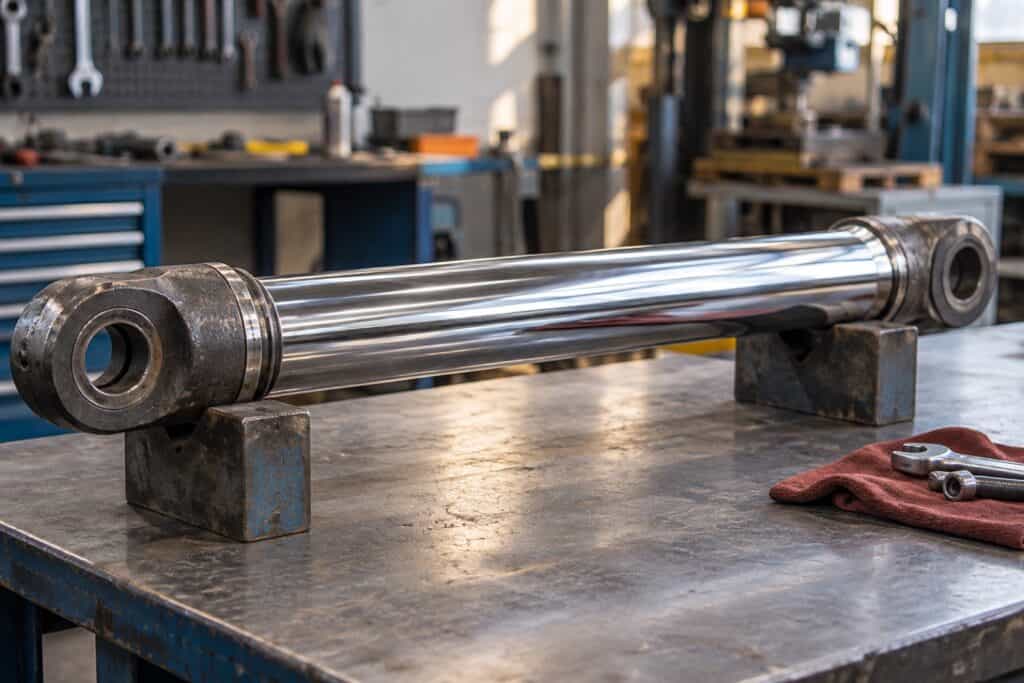
Four benefits of hard chrome plating
Hard chrome plating applies a relatively thick layer of chromium to a metal surface by means of the process of electroplating. This type of wear resistant layer is used for hydraulic cylinders, industrial rollers, machine parts, tools and vehicle components, and here we outline four of the main benefits of hard chrome and the limitations that need to be considered.
1. Wear resistance
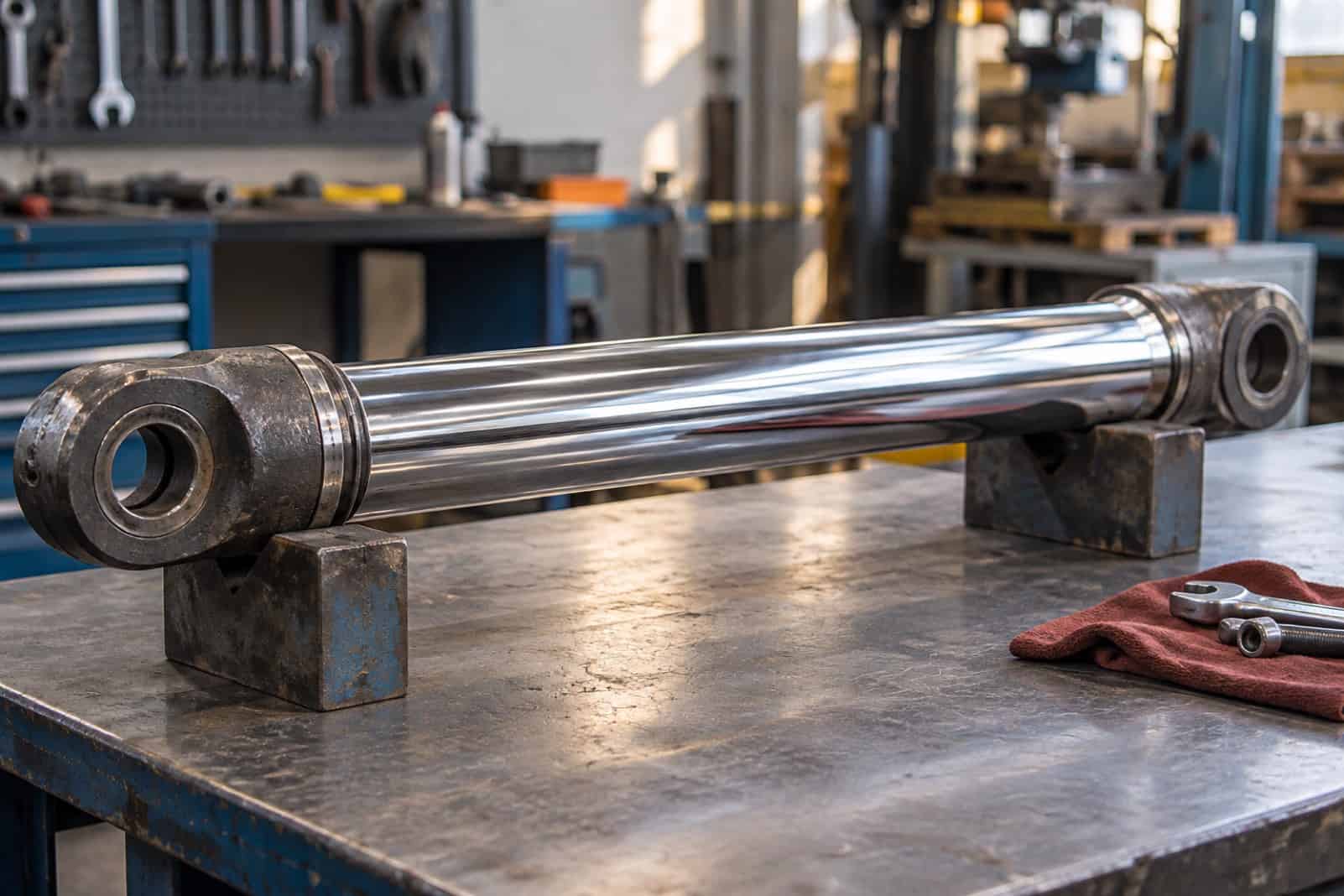
One of the biggest benefits of hard chrome plating is how it has outstanding wear resistance. Chromium is an extremely hard metal and it can help protect surfaces from scratches and mechanical damage by creating a durable protective layer, perfect for parts that get heavy use.
Hard chrome plating can also be used to protect surfaces which slide, roll or rub against other surfaces. For example, piston rods, print rollers, and the surfaces of mould tools all benefit from the hard surface created by hard chrome plating, as it resists wear from dirt and grit and provides a durable finish for much longer than bare steel.
2. Reduced friction
Hard chrome plating, such as at poeton.co.uk/advanced-treatments/apticote-100-hard-chrome, creates a very smooth, low-friction surface, helping moving parts run more efficiently by reducing resistance between components.
The reduction of friction is also desirable for improved machine function, less heat generation and less energy loss while in use. In hydraulic pistons and other engine parts for example, a surface with low friction is less likely to seize. The hard chrome coating is also non-adhesive, thus used on the surfaces of moulds and dies where material must release cleanly.
3. Corrosion protection
Hard chrome plating helps protect metal surfaces against corrosion. The layer of chromium acts as a protective barrier between the metal and moisture, chemicals, and other contaminants. Chromium itself is very resistant to corrosion, tarnish and many chemicals.
While the hard chrome layer forms a seemingly tight seal, the layer is actually full of fine cracks. It is therefore important to know the limitations of the layer. A thin layer will not be sufficient for harsh or outdoor use and a thicker layer, a nickel layer beneath the chrome or an alternative coating may be recommended. Discuss the working environment with your chrome plater before specifying.
4. Cost-effective longevity
While the cost of hard chrome plating is added to the initial cost of a part, the coating is often cost-effective over the life of a part, as it provides extra protection to help extend the life of the part, and therefore reduce the number of times a part or machine is replaced or repaired.
Hard chrome can also be used to rebuild worn parts: a worn shaft or rod is plated back up beyond its original size and then ground to the exact dimension. This can often be far more cost effective and quicker than making a new part, especially a large or complicated one.
Where hard chrome is commonly used
| Application | Main benefit |
|---|---|
| Hydraulic piston rods | Wear resistance, low friction against seals |
| Industrial and print rollers | Hard, smooth, even surface |
| Moulds and dies | Clean release, resistance to wear |
| Worn shafts and journals | Rebuilding to original size |
| Tools and cutting edges | Longer life between replacements |
Things to check before you specify it
- The thickness needed for the wear and corrosion conditions the part will face.
- Whether the part will be ground or polished after plating, and to what finish.
- Hydrogen embrittlement relief for high-strength steels, which is usually done by baking after plating.
- Which areas must be masked and left uncoated.
- Which process the plater uses. Hard chrome has traditionally used hexavalent chromium, which is tightly regulated, so it is sensible to ask.
Frequently asked questions
How long does hard chrome plating last?
It depends on the thickness, the load and what the part rubs against. The service life of hard chrome on a well-specified hydraulic rod can be many years. Once the coating has worn through the component can frequently be stripped, re-plated and ground back to size instead of being replaced.
Is hard chrome the same as the chrome on a car bumper?
No. Car trim uses decorative chrome, a very thin layer over nickel designed for appearance. Hard chrome is much thicker and is chosen for wear resistance and low friction rather than looks.
Where to go next
For a side-by-side comparison of the two finishes, read our guide to the difference between hard chrome and decorative chrome plating.
