
Top Electrical Tips for Christmas Light Safety
Christmas lights add to the magic of seasonal displays, but safety around electricity comes first.
A few simple checks before you decorate, and some sensible habits once the lights are up, cut the risk of electric shocks and fires over the festive season. Here are our top tips for staying safe and bright at home.
Check before you decorate
Carefully examine each set of lights before you put it up. Look for damaged or frayed cables, cracked or broken bulbs, loose connections and scorch marks on plugs or transformers. If a set is damaged, throw it away rather than trying to repair it. Old lights that have been stored in a loft for years are the most likely to have problems.
When buying new lights, choose a reputable retailer and look for the UKCA or CE mark. Very cheap lights sold online from unknown sellers are more likely to fall short of safety standards.
Use the right lights in the right place
Indoor lights are not designed for outdoor use. If you are decorating the garden or the front of the house, check the packaging and choose lights that are clearly rated for outdoor use. These are sealed against moisture, and many use a low-voltage transformer that stays indoors or in a weatherproof housing.
Do not overload sockets
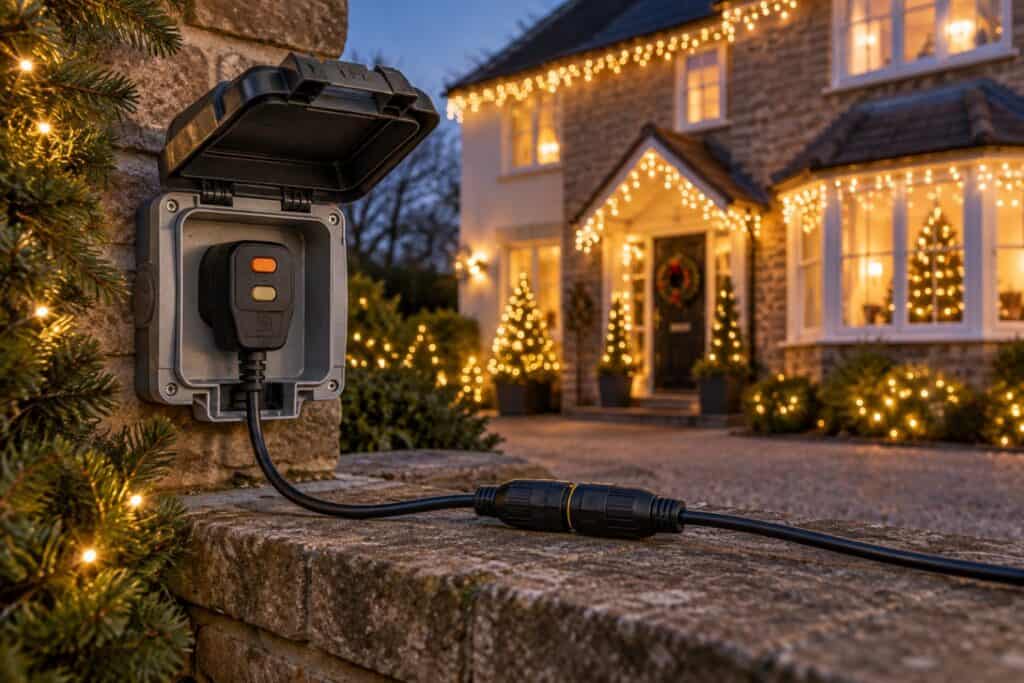
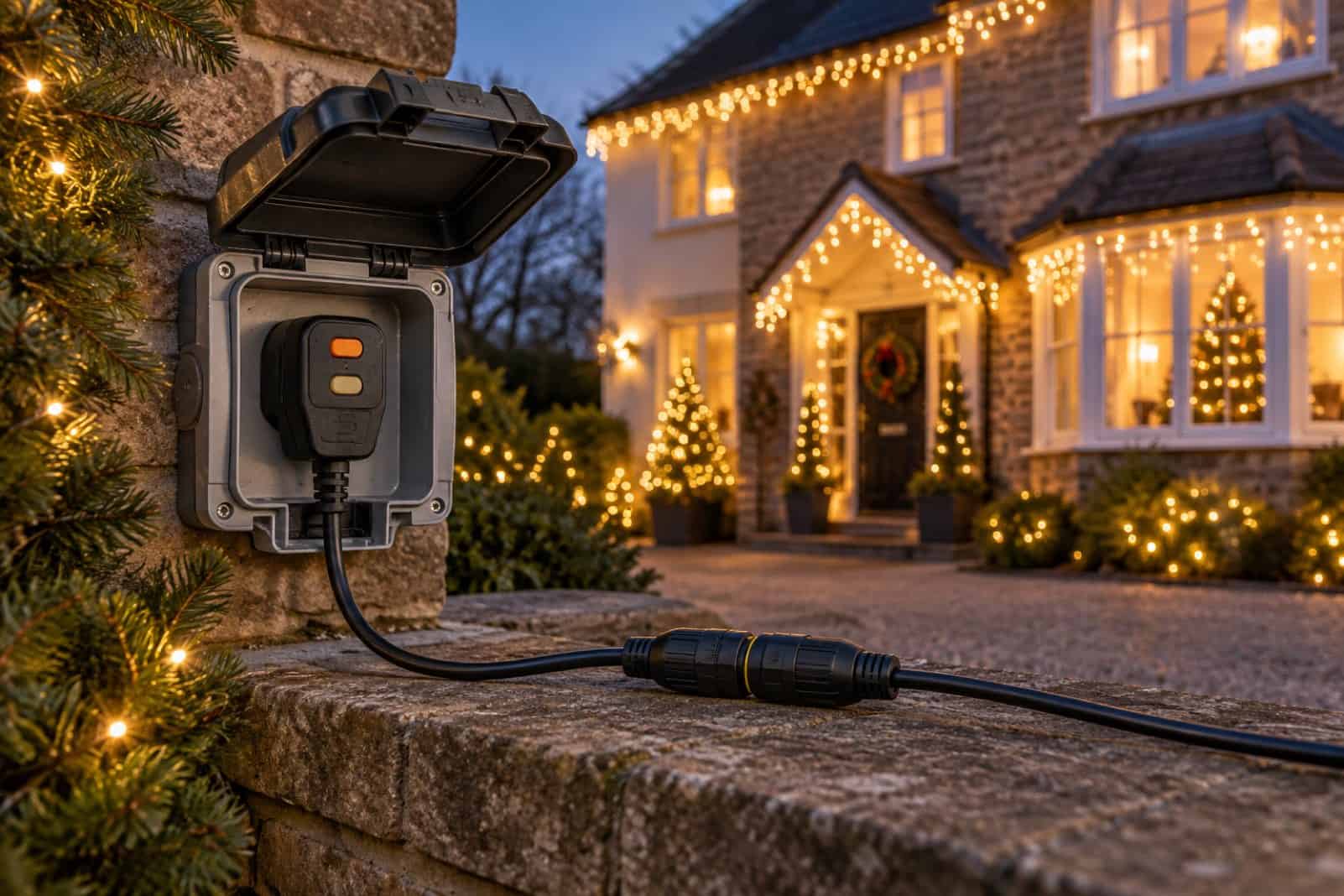
Plugging too many lights and other appliances into one socket, or into adaptors and extension leads, can cause overheating and fire. Avoid plugging one extension lead into another, and keep an eye on the total load, especially if you are also running heaters or other high-power appliances. For outside displays, an outdoor socket fitted by a qualified electrician is safer than trailing leads through windows or doors.
For an Electrician Cheltenham, visit dpalmerelectrical.co.uk/electrician-near-me/electrician-cheltenham
Switch off when you are out or asleep
Turn Christmas lights off before you go out or go to bed. A plug-in timer switch can do this for you, saving energy and reducing the risk of a fault going unnoticed while no one is around.
Check your RCD protection
An RCD, or residual current device, cuts the power very quickly if it detects a fault, which can prevent a fatal electric shock. Check that your consumer unit has RCD protection. If not, or for outdoor lights in particular, a plug-in RCD adds protection. Press the test button on your RCD from time to time, as the manufacturer recommends, to make sure it trips.
Choose LED lights
LED Christmas lights use much less electricity than traditional filament bulbs and run far cooler, which reduces the risk of them overheating or scorching decorations. They also tend to last longer, making them a sensible choice for both safety and running costs.
Christmas lights safety checklist
- Inspect every set for damage before use.
- Use outdoor-rated lights outside.
- Do not overload sockets or chain extension leads together.
- Keep lights away from curtains, paper decorations and heat sources.
- Switch lights off at night and when you go out.
- Make sure RCD protection is in place and working.
- Store lights carefully after Christmas to avoid damage.
Frequently asked questions
Is it safe to leave Christmas lights on overnight?
It is best not to. Switching them off when you go to bed or leave the house removes the small risk of a fault causing a fire while nobody is around to notice. A timer switch makes this easy and saves electricity too.
Can I use indoor lights in a porch or window?
Indoor lights are fine inside a window where they stay dry. In a porch or anywhere they could get damp from rain or condensation, use lights rated for outdoor use. If you are not sure, check the packaging or the manufacturer’s instructions.
Where to go next
For ways to keep the festive season calm as well as safe, read our tips to cut down your Christmas stress.
Electrical safety habits for the rest of the year
The checks that make Christmas lights safe apply to every appliance in the house. Look over appliances and their power cords for cracked casings, fraying or cuts, any of which can cause a shock or a fire, and replace damaged leads straight away. Garden tools such as lawnmowers and hedge trimmers can easily cut through their own cable, so always use them with an RCD. Newer homes have one built in, and plug-in versions are available for older properties.
As households collect more devices, it is tempting to rely on adaptors and extension leads. Keep the total load on any one socket within 13 amps, and if you regularly need more outlets, have extra sockets installed by a qualified electrician.
If you work from home, an uninterruptible power supply gives you a few minutes to shut a computer down properly during a power cut and smooths out voltage fluctuations. Finally, never ignore fuses that blow or breakers that trip repeatedly. Unplug appliances one at a time to find the cause, and call an electrician if you cannot.
