
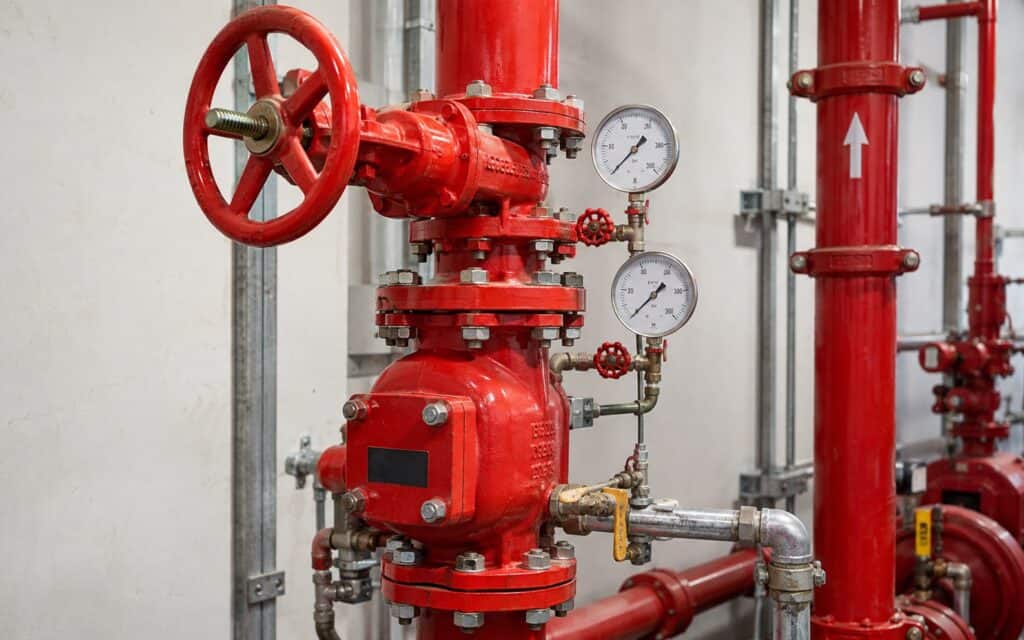
How are valves used in fire safety?
Fire protection systems rely on valves to control how water and other extinguishing agents flow. Valves open, close, direct and regulate the flow in sprinklers, hydrants, hose reels and specialist suppression systems. Without the right valves in good working order, water might not reach a fire in time, or might not flow at all.
Why the right valves matter
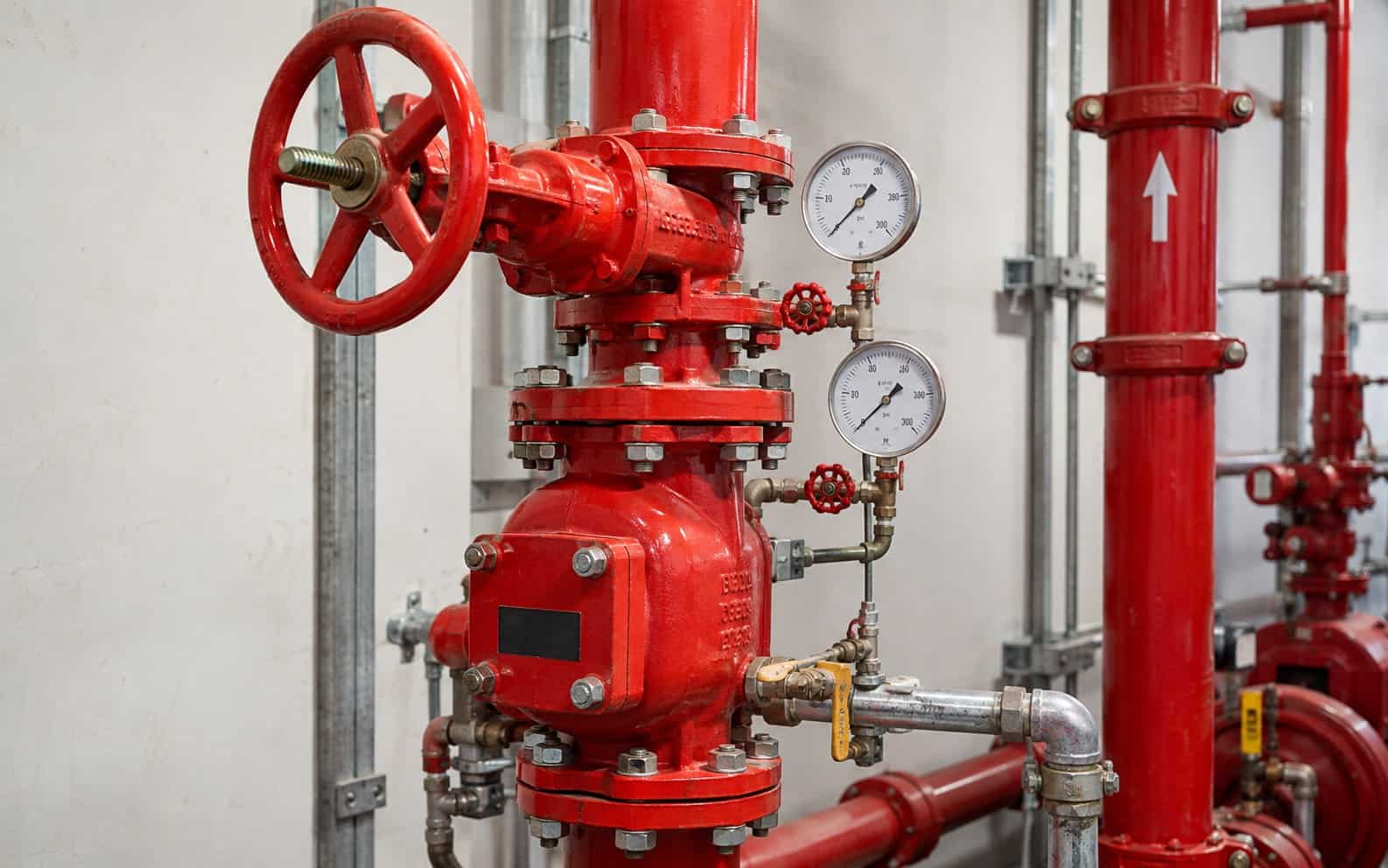
Each type of valve does a specific job in keeping people and buildings safe. Keeping a reliable stock of spares, like the valve stock from Orseal, helps make sure fire safety systems can be repaired quickly. Using the wrong fire valve can be very dangerous.
Valves in fire systems must be suitable for the system design, pressure and application, and are usually specified to recognised standards and approvals. Replacements should always match the original specification.
1. Gate valves
Gate valves fully open or fully close the flow of water. They are not used to adjust flow. They are common as isolating valves in sprinkler and hydrant systems, often with an indicator showing whether they are open, and are usually secured open so they cannot be closed by accident.
2. Butterfly valves
Butterfly valves use a rotating disc to control flow. They are more compact and lighter than gate valves of the same size, which makes them useful in larger pipework where space is limited.
3. Check valves
Check valves, also called non-return valves, let water flow in one direction only. They open when water flows the right way and close automatically if it tries to flow backwards, which protects pumps and stops water draining back out of the system.
4. Pressure relief valves
Pressure relief valves protect the system from excessive pressure. If the pressure rises too high, the valve opens to release some water, preventing damage to pipes, fittings and equipment.
5. Alarm valves
Alarm valves are used in wet-pipe sprinkler systems. When a sprinkler head opens during a fire and water starts to flow, the alarm valve opens and triggers an alarm, often a water-powered gong and an electrical signal, to warn that the sprinklers have operated.
6. Deluge valves
Deluge systems use open nozzles, and a deluge valve holds water back until a fire is detected. When it opens, water discharges from all the nozzles at once. They are used in high-hazard areas such as power plants, transformer rooms and some chemical storage areas.
Valves at a glance
| Valve | Job | Typical use |
|---|---|---|
| Gate | Open or close fully | Isolating sections of the system |
| Butterfly | Control flow compactly | Large pipework |
| Check | Prevent backflow | Pump outlets, supply connections |
| Pressure relief | Release excess pressure | Pump and pipework protection |
| Alarm | Signal sprinkler operation | Wet-pipe sprinkler systems |
| Deluge | Release water to all nozzles | High-hazard areas |
Frequently asked questions
How often should fire system valves be inspected?
Inspection and testing frequencies depend on the system and the standard it is designed to, but valves in sprinkler and suppression systems are checked as part of regular routine tests and servicing by a competent contractor. Valve positions should be checked frequently to make sure isolating valves have not been left closed.
Why are some sprinkler valves locked open?
A closed isolating valve would stop the sprinklers working. Locking or strapping valves in the open position, and monitoring them where possible, helps prevent a valve being closed by mistake or tampered with.
Where to go next
Fire alarms and sprinklers work together. Read how fire alarm maintenance keeps buildings safer.
