
How Nickel Is Used in Everyday Life
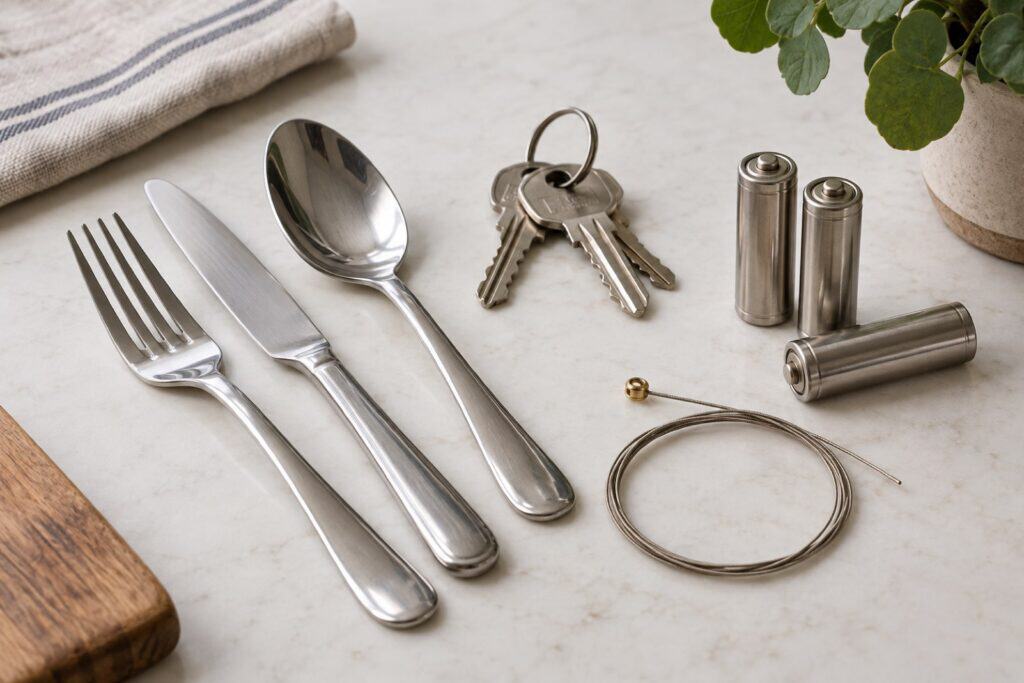
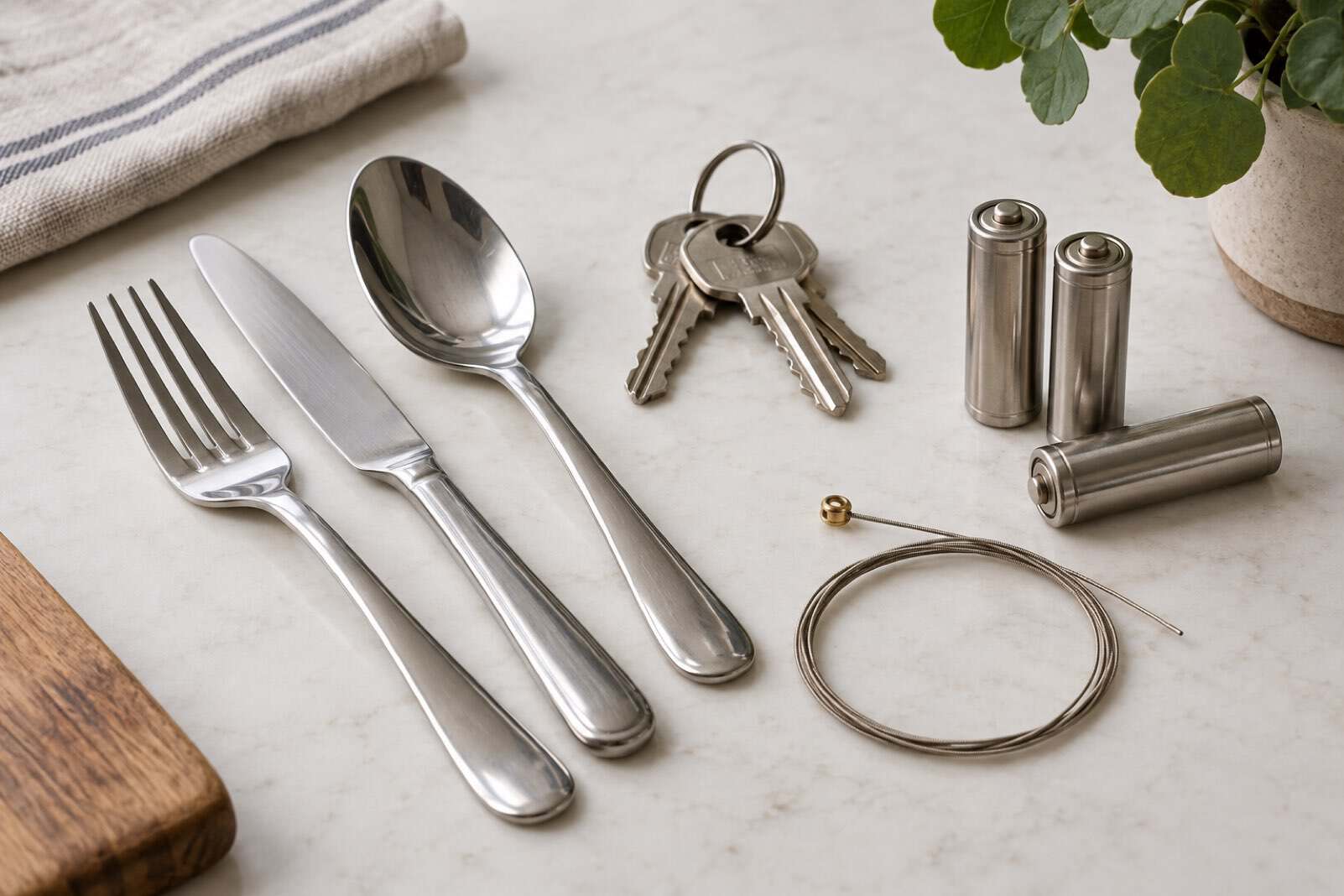
The word “nickel” evokes a coin in the minds of many people, especially in North America. However, as a metal, nickel does far more. It is a ubiquitous material with which most people come in contact on a daily basis – sink, knife and fork, telephone, car and even batteries to name but a few examples.
Why is nickel such a useful metal?
Nickel has good resistance to corrosion and oxidation. It has a high melting point, so it performs in harsh and hot conditions. Nickel is a ductile metal, meaning it can be drawn into a fine wire or shaped into many different forms without breaking. It is also magnetic. In alloys, nickel is used to increase the strength, toughness and resistance to heat and corrosion of other metals.
Nickel is also important in modern batteries. Many lithium-ion batteries for electric vehicles use nickel-rich cathodes, which help them store more energy for their size. Nickel can be recycled repeatedly, and a great deal of it, particularly in stainless steel, is recovered and reused.
Common uses of nickel
The biggest single use of nickel is in stainless steel, where it helps make corrosion resistant and tough stainless steel products such as kitchen sinks, cooking utensils, cutlery, food processing equipment and hospital instruments.
| Area | How nickel is used |
|---|---|
| Kitchens and food | Stainless steel sinks, pans, cutlery and processing equipment |
| Transport | Electric vehicle batteries, engine and exhaust parts |
| Aerospace and energy | High-temperature alloys in jet engines and power generation |
| Offshore and chemical | Corrosion-resistant alloys for platforms, pipes and plant |
| Coatings | Nickel plating for wear and corrosion resistance |
| Coins and electronics | Coin alloys, connectors and components |
Nickel as a surface coating
Nickel is also widely used as a coating, giving cheaper or lighter materials some of its properties. Electroless nickel plating such as that at https://www.swmf.co.uk/surface-coatings/electroless-nickel-plating allows other materials to be enhanced with the qualities of nickel.
As an electroless plating solution, nickel builds an even layer on complex shapes and increases hardness and wear resistance as well as corrosion protection. Under the chrome plating of decorative articles the corrosion protection is mostly based on a nickel layer.
Nickel and skin allergies
Nickel is one of the most common causes of allergic contact dermatitis. It is caused by items containing nickel such as jewellery, watch straps and clothing fastenings. This type of reaction usually only occurs when items containing nickel are in close contact with the skin for long periods of time. People with a nickel allergy usually avoid items containing nickel and opt for nickel-free jewellery and fastenings instead. Most people are not affected by stainless steel kitchenware, but if you have a severe nickel allergy it is best to speak to your GP or pharmacist.
Frequently asked questions
Is stainless steel made with nickel?
There are many common ‘grades’ of stainless steel that contain nickel. The widely used 18/10 and 18/8 stainless steel types used for cutlery and cookware contain about 8-10% nickel plus chromium, whilst others contain little to no nickel.
Why is nickel important for electric cars?
Higher content of nickel generally means more energy stored for weight in lithium-ion battery cathodes, where nickel is a key ingredient, which can mean a longer driving range.
Where to go next
For how nickel coatings are specified for precision parts, read our guide to electroless nickel coating thickness tolerances.
Once you have understood the characteristics of the metal, it is easy to see why so many everyday articles contain it.
