
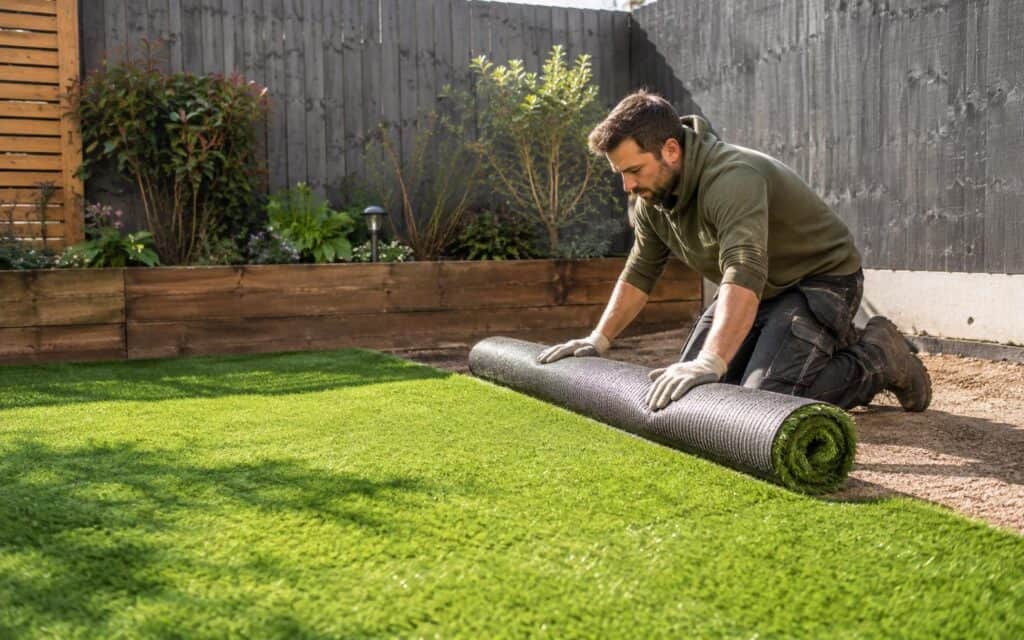
When to install artificial grass?
Artificial grass can be installed almost at any time of the year. There are, however, seasons and periods with weather that affect how easily installation can be carried out and how well a lawn will look afterwards. Here is an overview of the seasons, so you can choose the best time for your garden.
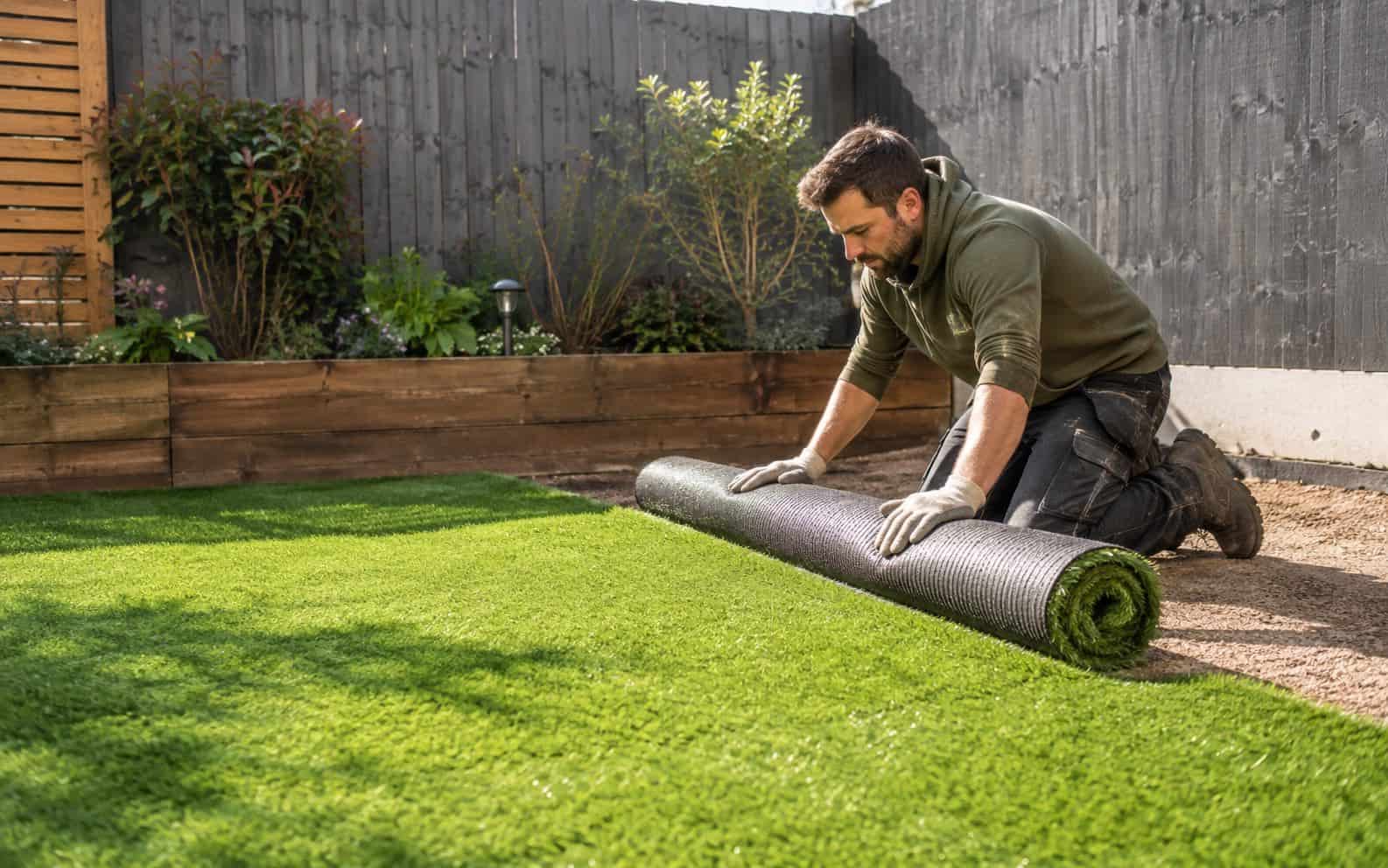
Spring: a popular choice
Spring is a good time of year to get your garden ready for the summer months. Days are longer, temperatures are milder, and excavation and base preparation are generally easy. This is also the time of year when many people start thinking about using their gardens again after the winter months.
Spring showers can be a problem, though. Laying on waterlogged ground or a wet base makes it harder to get a firm, level finish. It is best to wait for the ground to dry before installing, and if a wet spell continues, be prepared to move the date. For Artificial Grass Gloucester, contact https://luxury-lawns.com/artificial-grass/gloucester
Summer: the easiest conditions
Installing your artificial grass in the summer is ideal from a climate perspective.
Turf laid on long dry days is generally easy to work with. The grass relaxes in the warm weather and will often lie flat. Many installers unroll the turf and allow it to relax in the sun for up to 24 hours before cutting and fixing it. This allows any creases from the roll to drop out. The main problem with this time of year is that it is the busiest period for installers and so it is best to book in advance.
Autumn: still a good option
The mild weather at the start of autumn is good for laying turf and by the time winter sets in you will have a finished lawn ready for next spring. The amount of work that installers have can drop off in the autumn and they may be more free to take on work. Falling leaves and wetter weather can slow things down, so keep the area clear and pick a dry spell.
If you are laying artificial grass on decking, concrete or paving using adhesive, make sure the surface is completely dry. Adhesive may not bond properly after heavy rain, which is a costly and time-consuming mistake to put right.
Winter: possible, with care
Winter installations are possible on dry, frost-free days, and quieter gardens mean less disruption to plants. Short daylight hours limit working time, and cold weather makes the turf stiffer and adhesives slower to cure, so installs can take longer. Avoid laying on frozen or waterlogged ground.
Seasons compared
| Season | Advantages | Watch out for |
|---|---|---|
| Spring | Mild weather, ready for summer | Showers and wet ground |
| Summer | Dry, warm, long days | Busy installers, book early |
| Autumn | Mild, more availability | Leaves and increasing rain |
| Winter | Quiet, less plant disruption | Short days, frost, slow adhesive curing |
Tips for a good installation
- Remove existing turf and weeds, and lay a weed membrane.
- Build a well-compacted, free-draining sub-base so water does not pool.
- Lay all pieces with the pile running in the same direction.
- Secure edges firmly and join seams carefully so they are invisible.
- Brush the pile up and add infill if the product needs it.
Frequently asked questions
Can artificial grass be laid in the rain?
It’s best not to lay your lawn in the rain. Rainfall can make it difficult to compact and level the base of your lawn and prevent adhesives and joining tapes from bonding. Wait for a dry spell.
How long does artificial grass last?
A high quality, well-installed artificial lawn can last for many years depending on the actual product chosen, how much it is used and how well it is maintained. Brushing regularly, removing leaves from the turf and an occasional hosing down will help keep it looking at its best.
Where to go next
Improving the front of your home as well? Read our guide to creating a driveway that is stylish and practical.
