
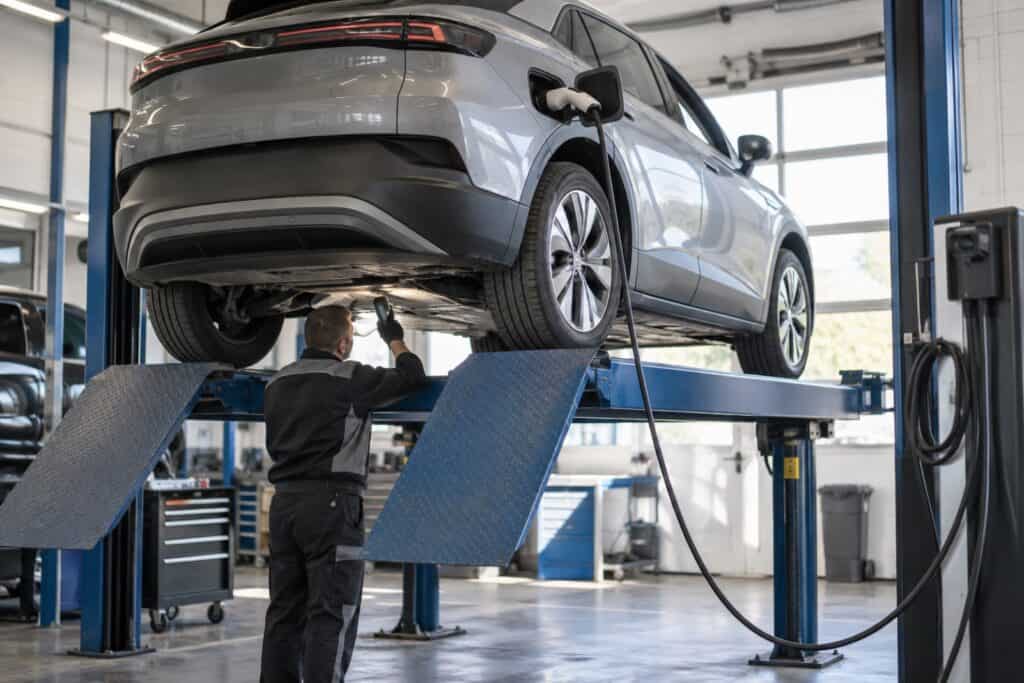
Electric Shock: Why EVs Fail Their MOTs in the Most Unexpected Ways
One of the perks of having an electric car is not needing to do oil changes, spark plugs or exhaust emissions checks, because there is no engine and far fewer moving parts.
So when an electric car goes in for its first MOT at three years old, plenty of owners expect an easy pass. Many are surprised when it fails. The reasons are rarely anything to do with the battery or motor. They are the ordinary parts that every car has, affected in slightly different ways by the weight and the driving style of an EV.
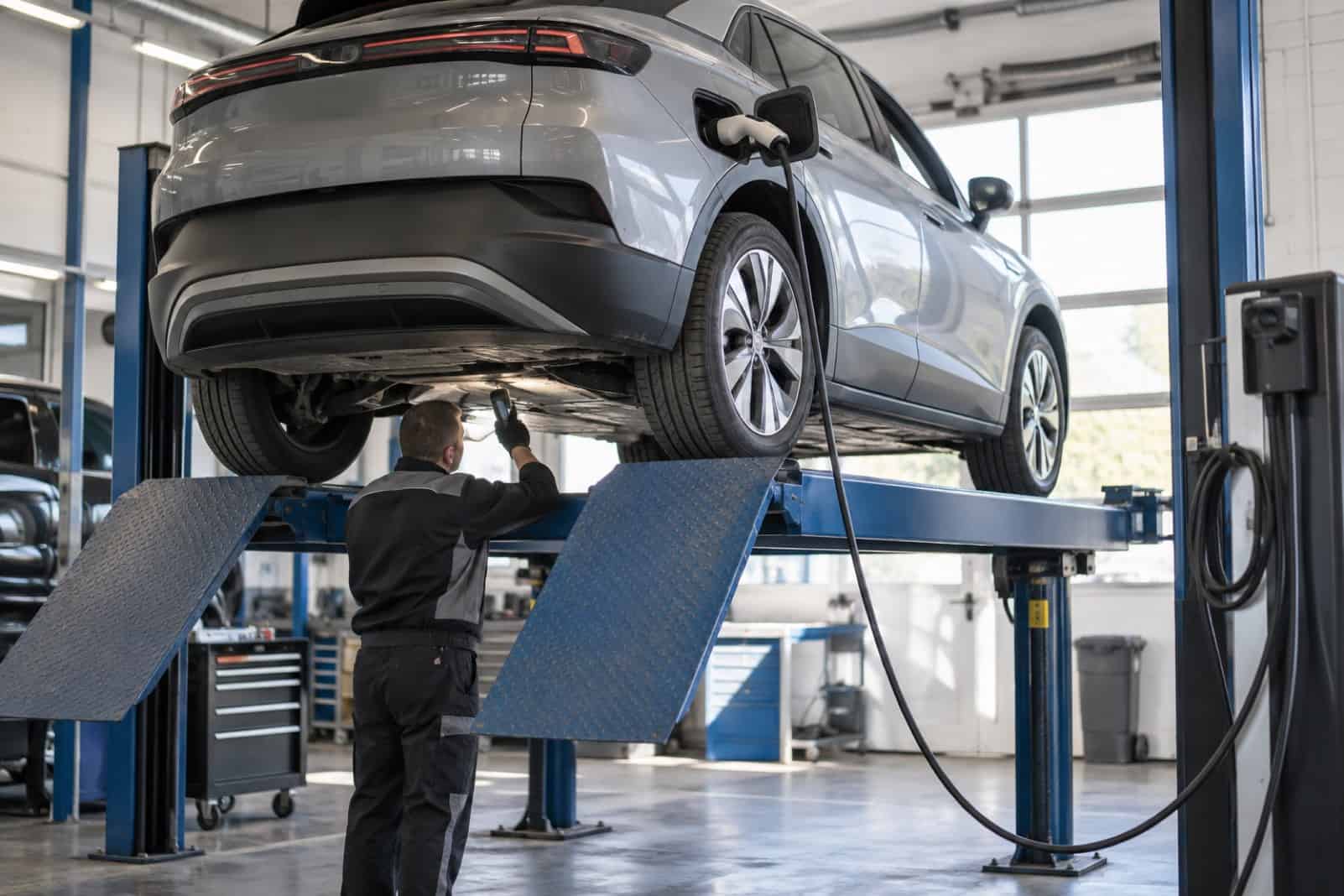
What an MOT still checks on an electric car
An electric car skips the exhaust and emissions part of the test, but almost everything else is the same as for a petrol or diesel car. The tester still looks at lights, tyres, brakes, suspension, steering, wipers, mirrors, seatbelts and the body structure. Across all cars, lighting and signalling, suspension, brakes and tyres are among the most common reasons for failure, and EVs are no exception.
Many drivers are caught out by faults they never noticed because nothing felt wrong from behind the wheel. For MOT Gloucester, visit 123carandcommercial.com/mot-gloucester/
Tyres wear faster than you might expect
Electric cars are heavier than similar petrol models, mainly because of the battery pack under the floor. They also deliver full torque the instant you press the accelerator. Together, the extra weight and the quick pull away put more load through the tyres, and many owners find they wear faster than on their previous car. Uneven wear on the inside edge is easy to miss, because you only see it if you look behind the wheel.
Check the tread depth across the whole width of each tyre, not just the outer edge. The legal minimum for cars in the UK is 1.6mm across the central three quarters of the tread, around the whole tyre. Look for cuts, bulges and cracking in the sidewalls, and keep tyres at the pressures in the handbook, which are often higher on EVs to reduce rolling resistance.
Brakes that rust from lack of use
Regenerative braking slows the car by using the motor as a generator, so on a normal drive the brake pads and discs may hardly be used. That sounds like good news, and it does mean pads last a long time. The problem is that discs which are rarely used can rust, pit and corrode, and caliper parts can stick. Corroded discs and poor braking efficiency are both reasons for an MOT failure.
A simple habit helps. Every so often, on a quiet and safe stretch of road, brake firmly a few times from a moderate speed so the pads clean the surface of the discs. Some cars also let you reduce the regenerative braking level, which makes the friction brakes do more of the work.
Suspension and steering under extra load
The weight of the battery also puts extra strain on suspension joints, bushes, springs and steering components. Add the state of many UK roads, and potholes can knock the wheel alignment out or damage a suspension arm without you noticing much at the wheel. Worn joints and damaged springs are common MOT defects on any car, and a heavy car can find them sooner.
A quick pre-MOT checklist for EV owners
- Walk round the car with the lights on, including indicators, brake lights and the number plate light.
- Check tread depth across the full width of every tyre, and look at the sidewalls.
- Look through the wheel spokes at the brake discs for heavy rust or scoring.
- Listen for knocks over bumps and notice whether the car pulls to one side.
- Top up the screen wash and check the wipers clear the screen cleanly.
- Make sure there are no warning lights on the dashboard.
Frequently asked questions
When does an electric car need its first MOT?
In Great Britain an electric car needs its first MOT when it is three years old, the same as a petrol or diesel car, and then every year after that. You can get the MOT done up to a month minus a day before the current certificate runs out and keep the same renewal date, which gives time to fix anything that fails.
Is the battery tested during an MOT?
No. The MOT does not measure battery health or range. The tester looks at the parts that affect safety, such as brakes, tyres, lights and steering. If you want to know how the battery is holding up, ask a specialist for a separate battery health check, which is worth doing before buying a used EV.
Where to go next
For more everyday checks that apply to any car, read our guide on how to keep your car roadworthy.
Electric cars need less routine servicing, but they still need looking after. Checking tyres, brakes and suspension a few weeks before the MOT gives you time to sort any problem and gives the car the best chance of passing first time.
