
What you should know about metal plating limitations
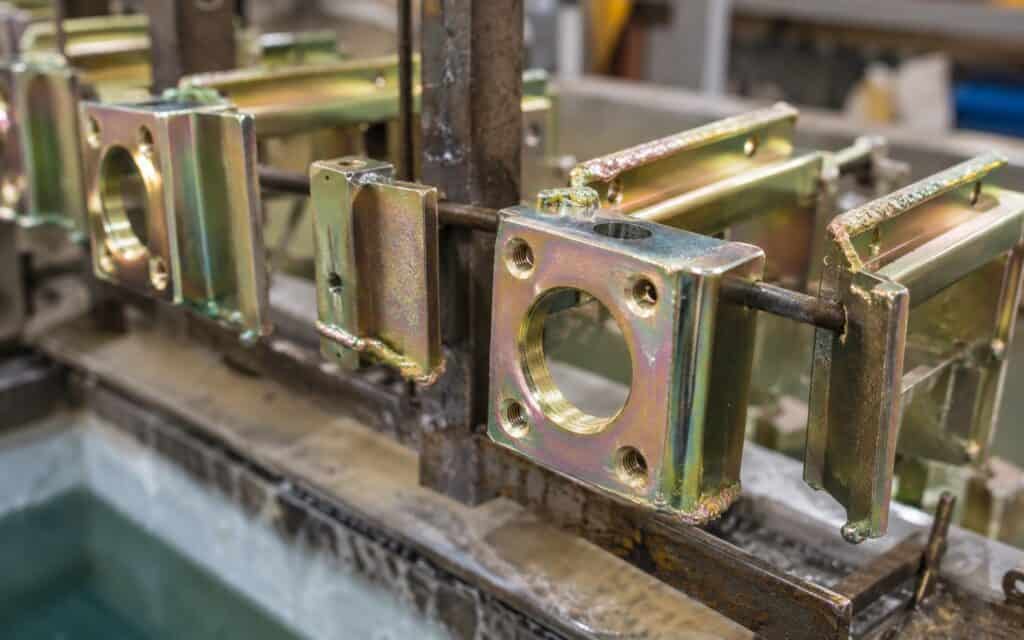
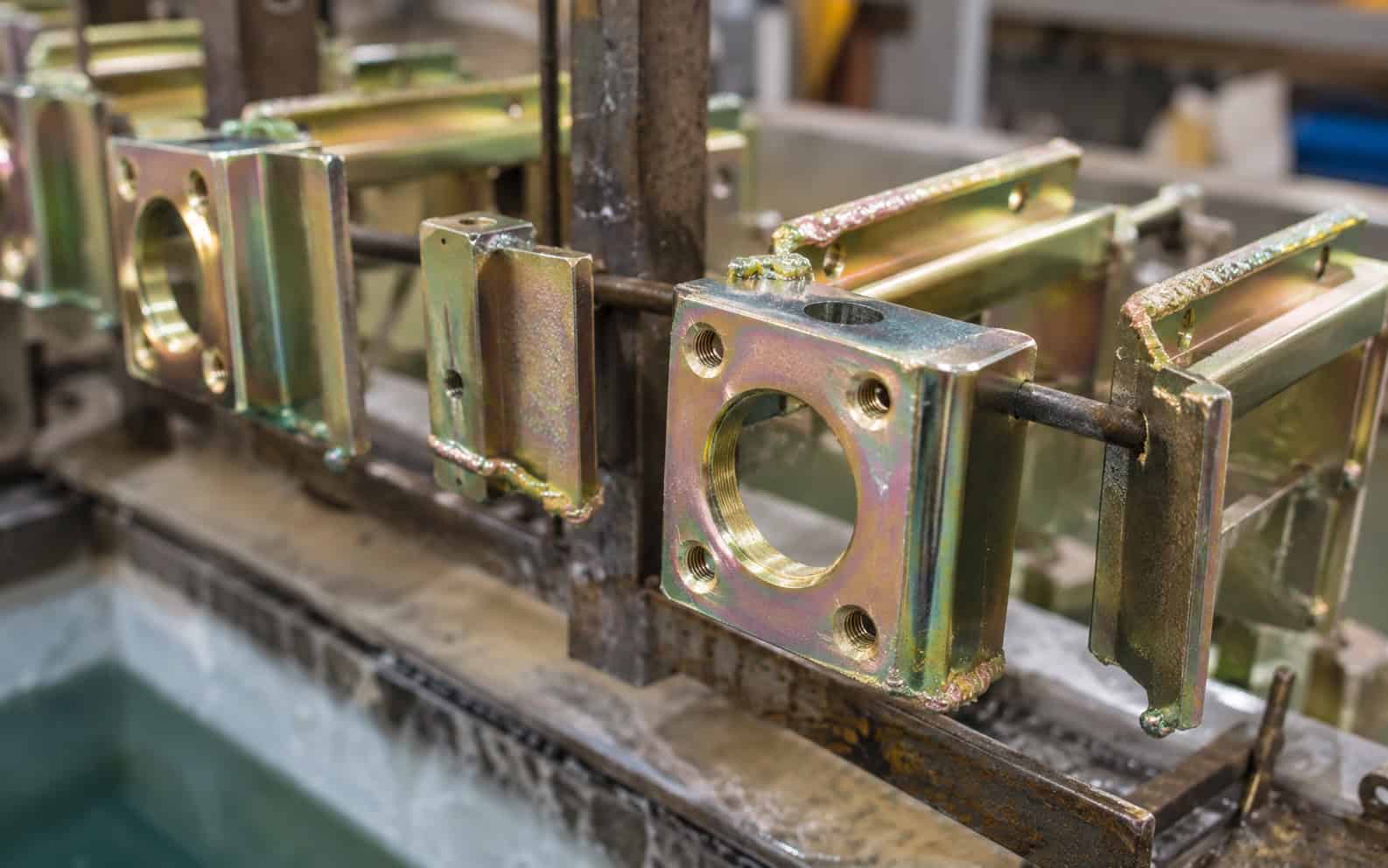
Metal plating is a process by which a thin layer of metal is applied to the surface of a part to give it new properties or to enhance existing ones such as corrosion resistance, wear resistance, electrical conductivity, solderability and appearance. There are several processes by which metal plating can be applied, including the most common process of electroplating and the less common process of electroless plating. The process of metal plating is widely used and very effective but has certain limits that should be known by anyone specifying a part that is to be plated.
Where metal plating is used
Metal plating is used in many industries, including automotive, medical, aerospace, electronics and jewellery.
- Automotive: chrome and nickel finishes for durability and appearance, and zinc-based coatings for corrosion protection.
- Medical: coatings that help instruments and components resist wear and corrosion and withstand repeated cleaning and sterilisation.
- Aerospace: coatings that protect parts from corrosion and wear in demanding conditions.
- Electronics: gold, silver, tin and nickel plating for conductivity and solderability.
- Jewellery: rhodium, gold and silver plating for appearance and tarnish resistance on pendants, bracelets and rings.
Electroless nickel
One increasingly popular treatment is electroless nickel plating, which deposits nickel through a chemical reaction rather than an electric current. That gives a very even coating, even on complex shapes and inside holes. Specialists such as www.poeton.co.uk/surface-treatments/plating/electroless-nickel-plating offer a variety of options, including electroless nickel coating.
The benefits of plating
Plating offers the opportunity to add corrosion protection, increase wear resistance and hardness, enhance electrical conductivity, improve solderability and improve the appearance of a part, often at a fraction of the cost of making the whole part from a higher value material.
The limitations of metal plating
| Limitation | What it means in practice |
|---|---|
| Uneven thickness | Electroplating builds up more on edges and less in recesses and holes |
| Thin coatings | Many decorative platings wear through under heavy use |
| Adhesion depends on preparation | Poor cleaning or pre-treatment can cause peeling or blistering |
| Hydrogen embrittlement | High-strength steels can become brittle unless baked after plating |
| Cracking and porosity | Some coatings can crack or have tiny pores that let corrosion through |
| Dimensional change | Coating thickness must be allowed for on precision parts |
| Environmental and health controls | Some processes, such as hexavalent chromium, are hazardous and tightly regulated |
The main restrictions associated with metallic plating can be controlled by good design, the right choice of process and careful specification. It is therefore wise to consult with a plating specialist at the design stage.
How to reduce the risks
- Design parts with rounded edges and avoid deep, narrow recesses where possible.
- Specify the coating, thickness and measurement points on the drawing.
- Ask about embrittlement relief for hardened or high-strength steels.
- Consider electroless nickel where an even thickness is essential.
- Agree tests and inspection criteria with the plater before production.
Frequently asked questions
How long does metal plating last?
Coating life is generally dependent on the coating, coating thickness and service conditions. Some thick, well-applied engineered coatings can last for many years whilst thin decorative coatings on frequently handled articles can wear sooner.
Can plating be removed and redone?
Yes, frequently. A number of coatings can be chemically removed from a part and then re-plated. This is typical for the repair or refurbishment of valuable items, and the plater’s first check is that the base material(s) are sound.
Where to go next
For how to specify an even coating, read about electroless nickel coating thickness tolerances.
